Maruti Suzuki India Limited has announced that its Gujarat in-plant railway siding has been registered as the world’s first Modal Shift Transportation Project under the Verified Carbon Standard (VCS) programme of Verra. The recognition highlights a major milestone in sustainable logistics, achieved by shifting vehicle dispatches from road to rail transport.
The project is expected to generate approximately 1.7 lakh carbon credits over a ten-year crediting period from FY 2023-24 to FY 2032-33. The emission savings have been assessed using the AM0090 methodology under the United Nations Framework Convention on Climate Change Clean Development Mechanism. After independent verification of emission reductions, Verra will issue the carbon credits under its global certification programme.
Maruti Suzuki’s Managing Director and CEO Hisashi Takeuchi said the achievement reflects the company’s efforts to combine operational efficiency with environmental responsibility. He noted that moving vehicle transport from road to rail has reduced fuel consumption, eased road congestion and lowered logistics-related emissions. He added that the recognition reinforces Maruti Suzuki’s commitment to sustainable manufacturing and logistics practices aligned with India’s climate goals.
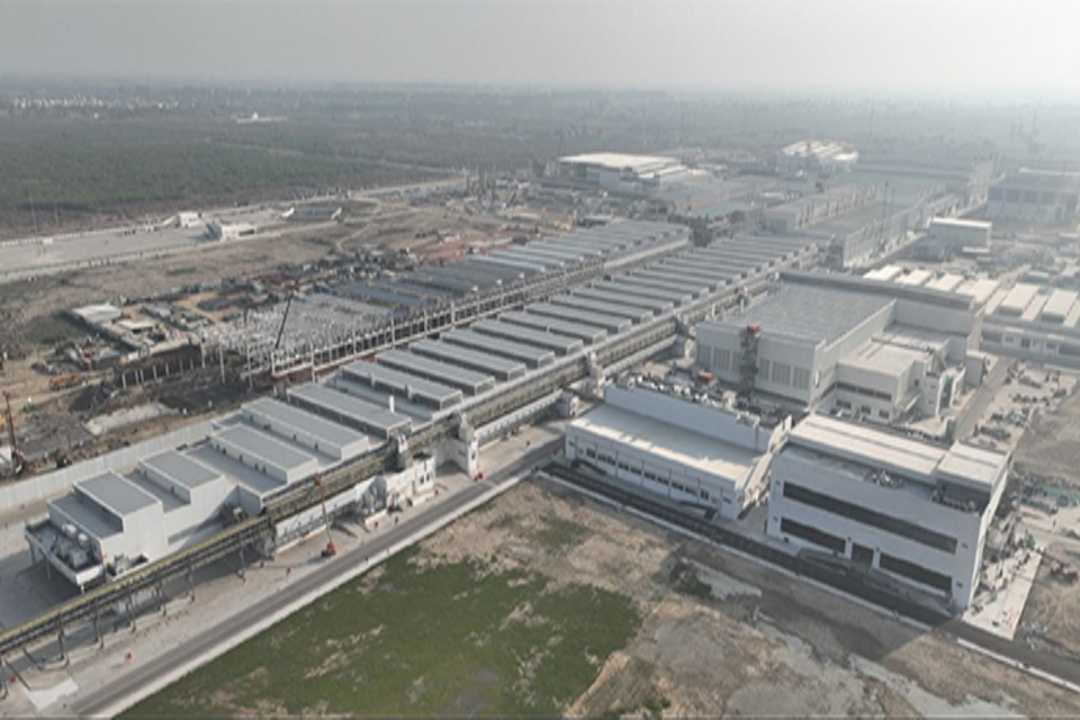
The Gujarat railway siding, located at the company’s Hansalpur facility, has already dispatched more than six lakh vehicles since operations began in March 2023. The project supports the company’s broader strategy to expand rail-based vehicle movement and reduce reliance on road transport across its logistics network.
The initiative also contributes to several United Nations Sustainable Development Goals, including Good Health and Well-being, Decent Work and Economic Growth, and Climate Action, by lowering emissions and improving transportation efficiency.
Maruti Suzuki has been investing in rail-linked logistics infrastructure at multiple manufacturing sites. India’s first automobile in-plant railway siding at the Gujarat facility was inaugurated in March 2024, followed by another major siding at Manesar in Haryana in 2025. These developments are part of wider efforts to integrate rail transport into vehicle distribution networks and promote greener supply chains.
As India moves toward reducing emissions and improving transport efficiency, Maruti Suzuki’s Gujarat modal-shift project sets a new benchmark for sustainable logistics in the automotive sector. By adopting rail-based vehicle movement at scale, the company aims to cut emissions, improve efficiency and contribute to environmentally responsible mobility solutions across its operations.