As travel habits change and social media becomes central to how people choose and share their journeys, destinations and hospitality businesses are rethinking how they connect with visitors. Today’s tourists are drawn to locations that offer not just services, but strong visual appeal and seamless communication. Hotels, resorts, and tourism sites now need tools that can keep up with this demand—constantly updating guests about local attractions, events, and promotions, all while maintaining consistency across multiple locations. One technology that is making this possible is LED display systems.
From large-scale outdoor video walls to indoor digital signage and directional screens, LED technology is becoming a core part of tourism infrastructure. These displays help businesses communicate more effectively with visitors, while also creating strong visual impressions that people are eager to photograph, post, and share.
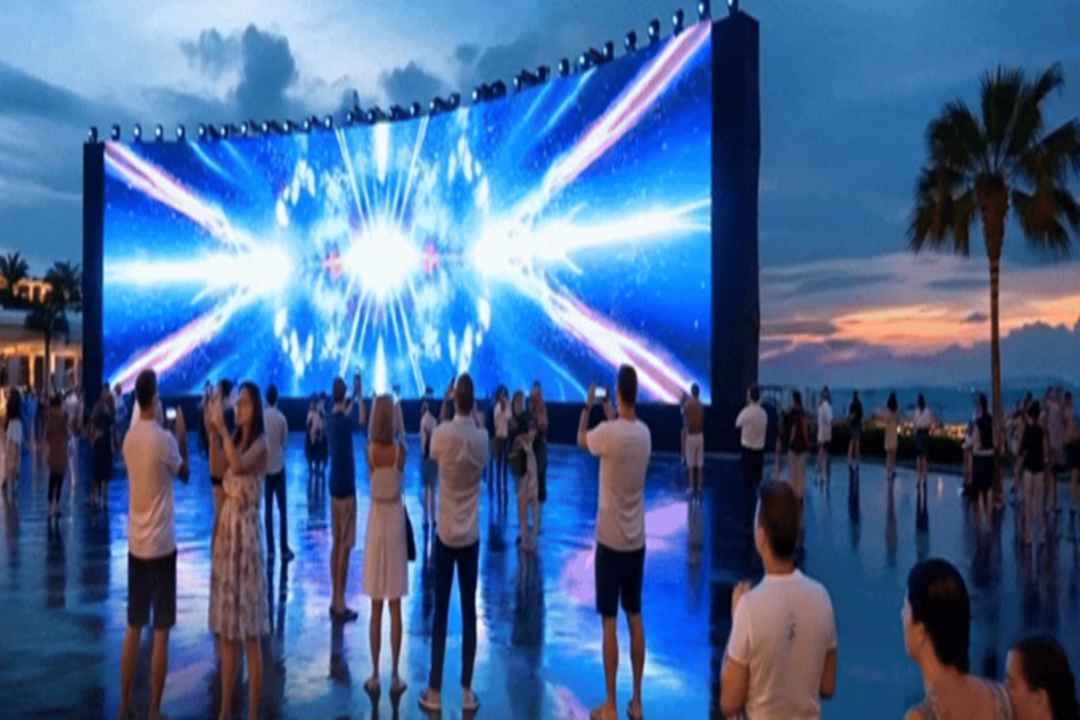
Market data shows that the hospitality lighting sector was valued at $20 billion in 2023 and is projected to hit $30 billion by 2028. Over 70% of that market is now made up of LED solutions. The appeal lies in their brightness, clarity, and adaptability. Outdoor displays, in particular, are built to remain clearly visible even in bright sunlight, offering vivid colours and sharp imagery that can be seen from far away. This makes them ideal for use in resorts, coastal areas, and other busy tourist locations.
Another advantage is remote control. Modern LED systems allow operators to manage content across multiple screens from a central location. Whether it’s adjusting the content, setting schedules, or updating important information, everything can be done quickly and without physical access to the screen itself. This cuts down on staffing needs and improves consistency.
Durability is another key factor. Outdoor LED systems are designed to withstand exposure to rain, wind, sea air, and temperature extremes. With waterproof enclosures and automated moisture control, they are built for long-term use with minimal maintenance. For businesses located in areas with unpredictable weather, this reliability is crucial.
LED displays also use less electricity than older lighting methods, lowering power bills and aligning with sustainability targets. They have a longer service life, meaning fewer replacements and less waste. These factors are increasingly important to both operators and guests, who are looking for environmentally responsible businesses.
Across the world, LED displays are now being used not only for information but to enhance the visual appeal of destinations themselves. Mounted on buildings or integrated into public spaces, they provide a canvas for storytelling, event promotion, and destination branding. At the same time, indoor LED panels are being used to guide visitors, deliver announcements, and create immersive experiences—all with the flexibility to support multiple languages for international travellers.
These capabilities are already being used in tourism hotspots across Southeast Asia. At the Peninsula-Bay Resort in Cambodia, for instance, a large-scale installation covers over 530 square meters with three LED video walls forming a single display. Despite being exposed to strong sunlight, salty sea winds, and heavy monsoon rains, the display continues to function reliably, thanks to a waterproof design and automated humidity control. The resort also uses a remote control system that allows staff to manage the setup from 80 metres away, reducing on-site work and increasing uptime.
In another example, Okada Manila—a luxury resort in the Philippines—has installed a 146-square-meter LED wall at its main entrance. The screen runs around the clock, highlighting hotel promotions and events in bright detail. Built to handle Manila’s humid climate without air conditioning, the display still delivers consistent performance.
These examples show how LED display systems are becoming a vital part of how resorts and tourism sites operate, communicate, and engage with guests. What once served mainly as advertising space has now evolved into an interactive, functional asset that supports operations, branding, and guest satisfaction.
The shift toward digital tools in tourism is no longer a trend—it is a requirement. LED displays help businesses meet the rising expectations of modern travellers while managing costs and reducing environmental impact. As more tourism operators explore the benefits of this technology, the industry as a whole moves closer to a smarter, more connected future. With solutions like those provided by Hikvision, the path toward digital transformation in tourism is already underway.