Hycamite, a producer of emission-free hydrogen and high-quality carbon materials, has joined a €17 million research initiative aimed at transforming steel production through electrification and hydrogen-based processes. The Future Sustainable Electric Steel Mill (FutSteel) project, led by the University of Oulu and SSAB, will develop an integrated model for next-generation steelmaking. The program focuses on combining electric arc furnace (EAF) technology with modern hot rolling processes powered by fossil-free energy, while increasing the use of recycled steel and low-emission inputs.
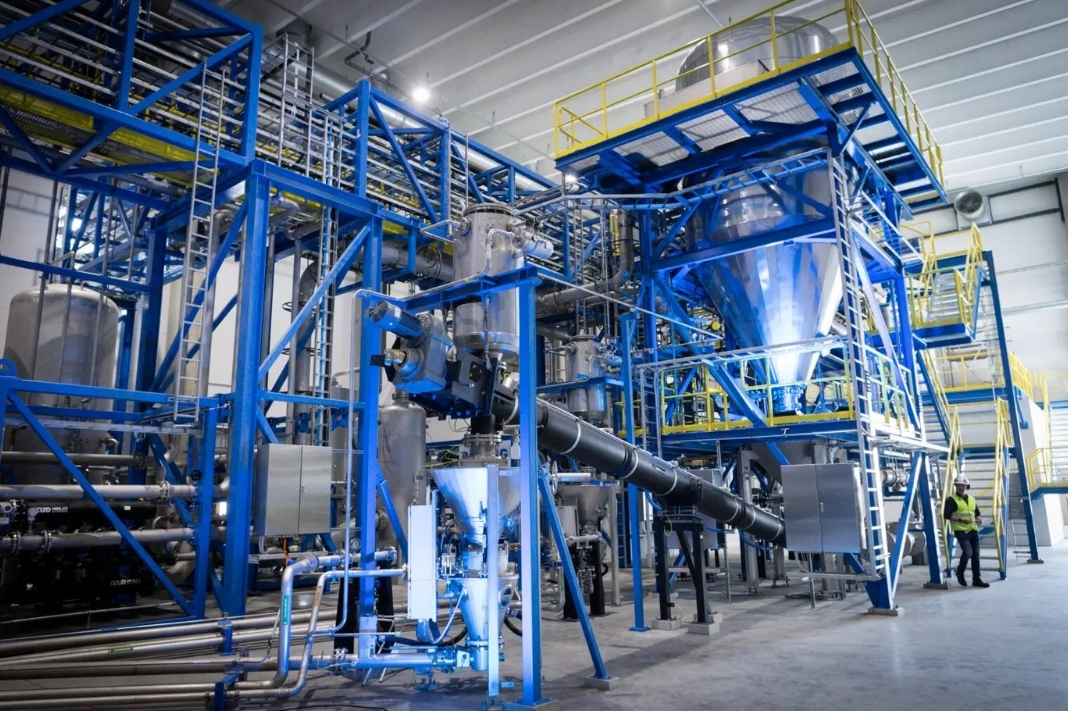
Hycamite’s participation centers on integrating hydrogen and carbon production directly into steel manufacturing systems. The company’s methane-splitting technology enables the production of hydrogen and solid carbon materials without direct carbon dioxide emissions, offering an alternative pathway to conventional hydrogen production methods.
“When hydrogen is produced from methane using an emission-free process, production costs can be significantly reduced, and hydrogen can be delivered quickly in the large volumes required by the steel industry,” said Matti Malkamäki, Chief Executive Officer of Hycamite. The company also highlights the continued role of carbon materials in low-emission steelmaking processes.
“There continues to be a need for emission-free carbon products in the production of low-CO2 steel,” said Niina Grönqvist, Head of Carbon Products at Hycamite. “Carbon is still required for slag foaming in electric arc furnaces and for alloying purposes.” Hycamite notes that methane-based hydrogen production can offer significant energy efficiency benefits compared with electrolysis.
“Hycamite’s technology requires, in principle, only about one-eighth of the energy used in electrolysis to produce hydrogen, and much of that energy can be sourced from excess heat generated by the steel plant,” said Laura Rahikka, Chief Operating Officer of Hycamite.
The FutSteel initiative will examine how electric steelmaking can be fully integrated into existing production chains, including downstream rolling processes. The project will also evaluate how low-carbon methods can be applied to the production of advanced specialty steels while maintaining quality and industrial performance standards.
Steel production is responsible for approximately 7% of global greenhouse gas emissions, making decarbonization of the sector a priority for global climate strategies. The FutSteel project seeks to accelerate this transition by combining electrification, hydrogen use, and material innovation.
The three-year project is scheduled to begin in June 2026. It brings together research partners including the University of Oulu, VTT Technical Research Centre of Finland, and Åbo Akademi University, along with industrial participants SSAB, Coolbrook, Ovako, Hycamite, Otanmäki Mine, Strategic Resources, Titanor, Carbo Culture, Convion, and Nordkalk.
Hycamite’s proprietary methane pyrolysis technology splits methane (CH₄) into hydrogen (H₂) and solid carbon products such as battery-grade graphite, enabling industrial decarbonization without direct CO₂ emissions. The company positions its technology as a scalable solution for reducing emissions in energy-intensive industries while supporting supply chain resilience through the production of valuable carbon materials.