As cities grow taller, denser and more technologically advanced, the global elevator and vertical mobility sector—estimated to be worth more than USD 90 billion—is undergoing rapid change. Urbanisation, sustainability goals and digital technologies are reshaping how people move within buildings, and India has emerged as one of the industry’s most important growth markets.
India is currently the world’s second-largest elevator and escalator market after China, accounting for more than 9% of global demand. The domestic elevator market is expected to grow at a compound annual rate of 7.2% between 2025 and 2031. Globally, more than 18 million elevators and escalators are in operation, transporting over one billion people every day, with demand rising sharply across Asia-Pacific and other emerging regions.
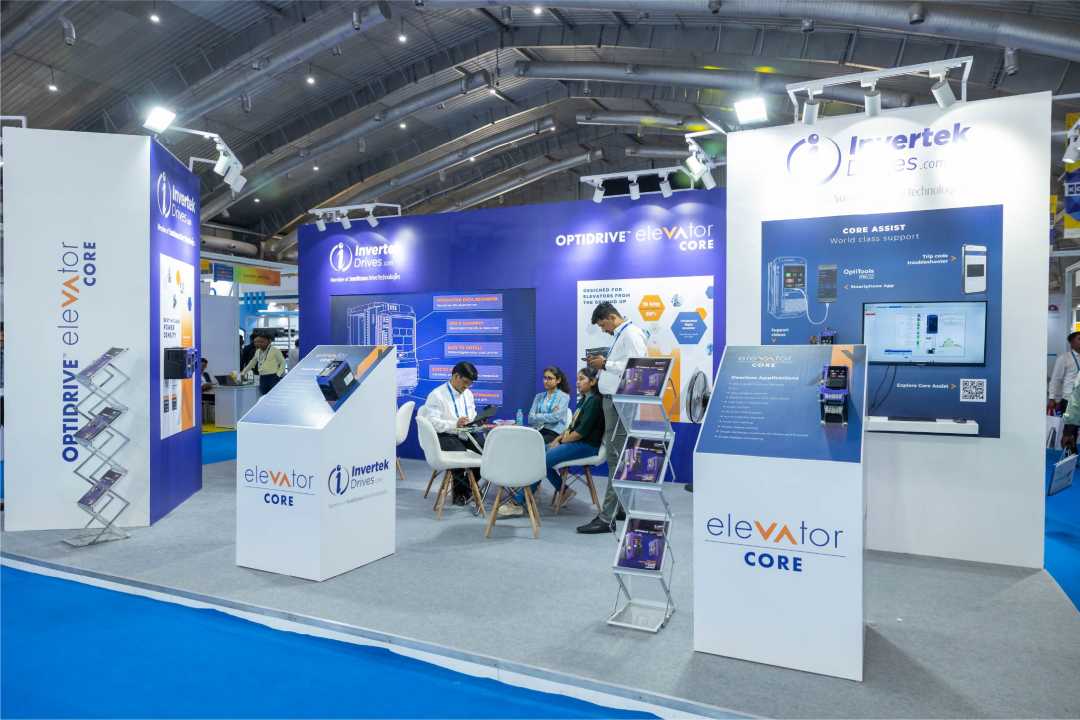
Against this backdrop, Smart Lift & Mobility World (SLMW) 2026 will take place in Bengaluru, bringing together elevator manufacturers, mobility solution providers, policymakers, architects, developers and technology companies from India and around the world.
India installs more than 150,000 new elevators annually, driven by rapid urbanisation, real estate development and large-scale infrastructure projects. National programmes such as the Smart Cities Mission, AMRUT, Gati Shakti, Bharatmala and Sagarmala are accelerating investment in airports, metro systems, commercial hubs and mixed-use developments, all of which depend heavily on advanced vertical transportation systems.
“India is among the fastest-growing economies globally, with urbanisation and real estate development playing a central role,” said Amit Gossain, Managing Director of KONE Elevators and Chairman of the Elevators & Escalators Division of IEEMA. “Vertical transportation systems are essential to the efficient operation of modern buildings and to occupant comfort.”
Growth is increasingly being driven by Tier-II, Tier-III and Tier-IV cities such as Indore, Surat, Kochi, Coimbatore, Jaipur, Lucknow, Nagpur and Bhubaneswar. These cities are transitioning from low-rise development to 15–25 storey residential and mixed-use projects, supported by improved infrastructure and affordability. Industry estimates suggest that nearly half of new elevator installations now originate outside the top eight metropolitan areas.
By 2030, more than 40% of India’s population is expected to live in urban areas, sustaining long-term demand for elevators and escalators across residential, commercial and infrastructure segments, according to industry analysts.
Smart Lift & Mobility World 2026 will feature the Elevator World India Summit, focusing on sustainable design and integrated people-flow management, along with the Future Buildings & Smart Mobility Summit, returning to Bengaluru for its fourth edition. Together, the events will address topics ranging from home elevators and indigenous manufacturing to leadership development and future-ready urban design.
Technology is increasingly redefining elevators as intelligent mobility systems. AI-enabled analytics, IoT sensors and cloud connectivity are supporting predictive maintenance, traffic optimisation and real-time performance monitoring. These changes are also reshaping workforce requirements, increasing demand for skills in mechatronics, electronics, software diagnostics and data analytics.
Supported by industry associations and featuring participation from leading global and Indian companies, Smart Lift & Mobility World 2026 aims to serve as a comprehensive platform for knowledge exchange, technology showcase and collaboration across the vertical mobility ecosystem.