Filatex India Limited (BSE: 526227; NSE: FILATEX), an integrated polyester filament yarn manufacturer focused on high-value yarns, textile-to-textile recycling and cleaner energy, reported standalone revenue from operations of ₹1,304.19 crore for the quarter ended September 30, 2026, registering growth of 21.22% year-on-year (YoY) and 13.87% sequentially.
EBITDA for Q2 FY27 stood at ₹91.03 crore, compared with ₹88.93 crore in the corresponding quarter last year and ₹77.92 crore in Q1 FY27. The EBITDA margin was 6.98%. Profit after tax increased 12.40% YoY to ₹53.48 crore, against ₹47.58 crore in Q2 FY26.
For the first half of FY27, revenue from operations stood at ₹2,449.49 crore, compared with ₹2,125.33 crore in H1 FY26. EBITDA was ₹168.95 crore, against ₹166.69 crore, while PAT increased to ₹102.62 crore from ₹88.32 crore. Production during Q2 FY27 stood at 94,763 metric tonnes, while sales volume was 92,998 metric tonnes.
The company continued to make progress on its strategic growth initiatives during the quarter. Its ₹300 crore textile-to-textile recycling project, with an annual capacity of 26,750 tonnes, being implemented through wholly owned subsidiary Ecosis Limited, is in the final stage of execution, with commissioning expected in Q3 FY27. Filatex invested an additional ₹20 crore in Ecosis through a rights issue in September 2026.
The ₹235 crore brownfield polyester filament yarn capacity expansion, adding approximately 55,000 tonnes annually across products primarily comprising POY, FDY and DTY, has been partially commissioned. The remaining capacity is expected to be commissioned by the end of November 2026, supporting an improvement in the company’s product mix.
Filatex is also progressing with renewable energy sourcing through hybrid wind-solar and solar projects, with commissioning expected by January 2027. These initiatives are expected to increase the share of renewable power in its energy mix from approximately 26% to 55%. Trials of recycled polyester yarn under the company’s MoUs with American & Efird Global, LLC and Decathlon continued during the quarter for thread manufacturing and other applications. Several additional global brand approvals are at an advanced stage.
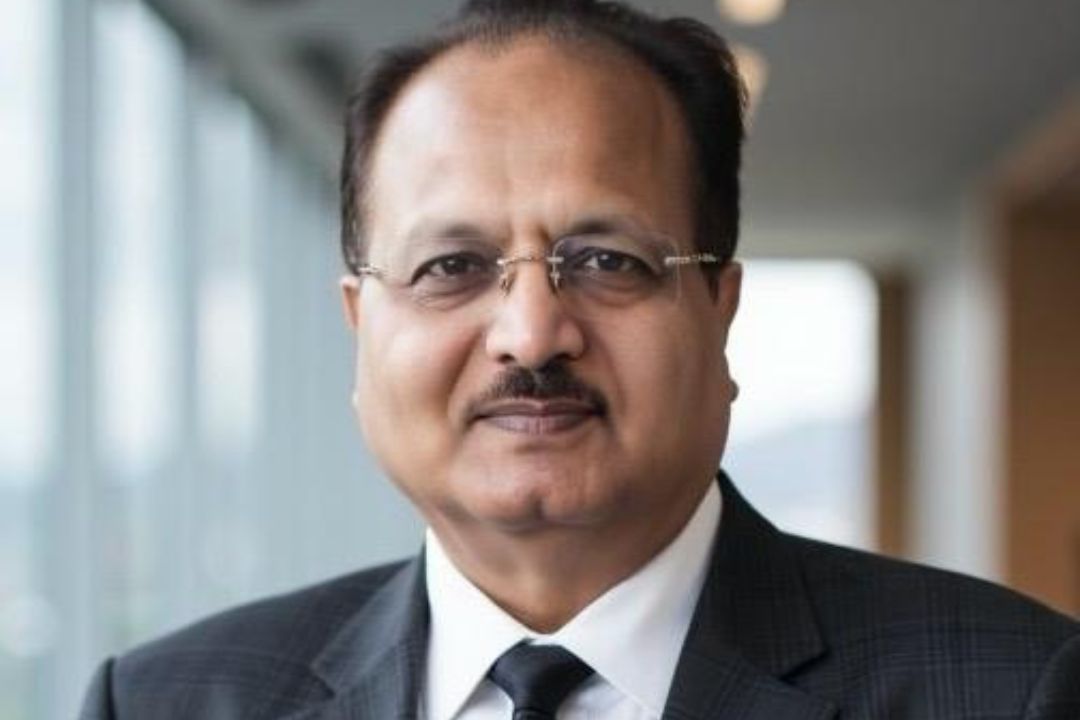
Commenting on the results, Madhu Sudhan Bhageria, Chairman and Managing Director, Filatex India, said Q2 FY27 reflected steady execution, with integrated operations and disciplined cost management helping the company protect profitability amid elevated raw material prices. He noted that downstream demand had begun recovering as cautious, need-based buying gradually eased. The company continued to align production with demand through calibrated inventory levels and disciplined sourcing.
He added that the recycling and capacity expansion projects were progressing towards commissioning in Q3 FY27, while recycled yarn trials with global brands were ongoing. Filatex believes its manufacturing scale, integrated capabilities and early presence in textile-to-textile recycling position it to pursue sustainable long-term growth.
The company also noted developments in domestic PTA capacity, including the commissioning of GAIL’s 1.25 MTPA Mangalore facility and progress on IOCL’s 1.2 MTPA Paradip plant, alongside RIL’s planned 3 MTPA capacity. It expects these additions to progressively reduce import dependence. The India-EU FTA moving to the signing stage in September 2026 and India’s competitive 10% US tariff position were also identified as factors supporting long-term export competitiveness.
Filatex India Limited is a prominent Indian public company incorporated in 1990 that has grown to become one of the country’s leading manufacturers of polyester filament yarn and related synthetic textile products. It operates advanced manufacturing facilities in Dadra & Nagar Haveli and Dahej, where it produces a diverse range of products including polyester and polypropylene multifilament yarn, polyester chips, fully drawn yarn (FDY), drawn textured yarn (DTY), partially oriented yarn (POY), monofilament yarns, and narrow fabrics used across garments, industrial and technical applications.