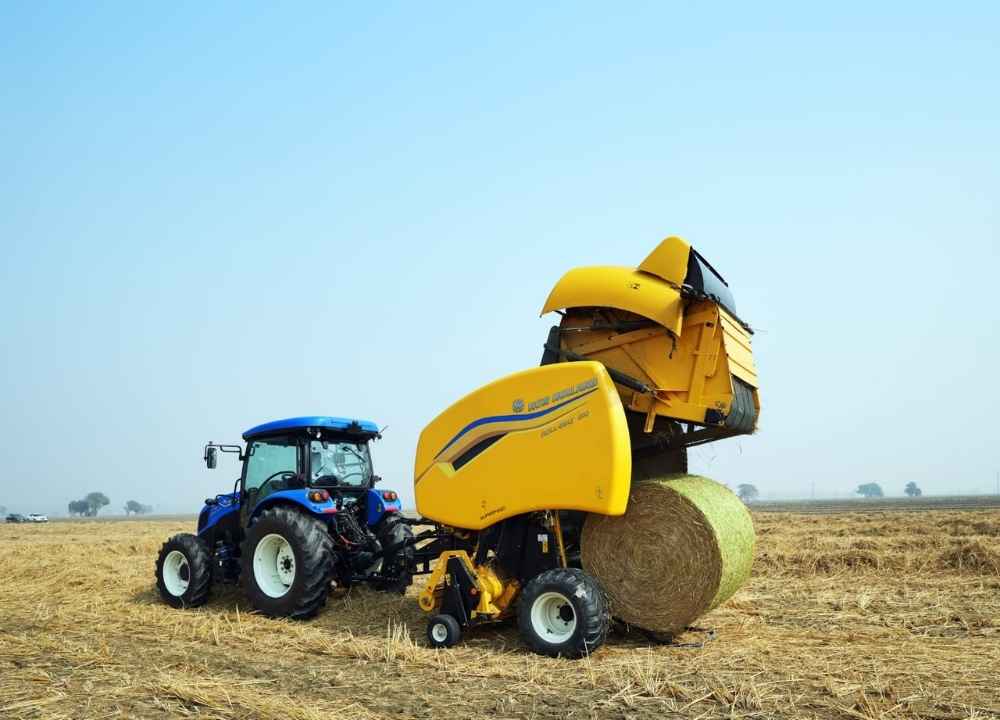
CNH has marked a decade of its crop residue management corporate social responsibility (CSR) initiative in India and opened a dedicated parts warehouse in Ludhiana to improve support for farmers in Punjab and Haryana. Launched in October 2017 in Kallar Majri village, Punjab, the initiative has expanded into a national programme covering 25 locations across 11 states. The programme aims to reduce stubble burning by promoting mechanised straw management and encouraging farmers to adopt sustainable agricultural practices.
Kallar Majri has maintained its zero-stubble-burning status for 10 consecutive years. Since the initiative began, approximately 60,000 tonnes of paddy straw have been baled, helping prevent residue burning across nearly 39,900 acres of farmland. The programme estimates that it has prevented around 97,000 tonnes of carbon dioxide emissions and benefited more than 7,500 farmers. An estimated 16,000–20,000 family members and villagers have also benefited indirectly.
The programme, now part of CNH’s Sustainable Environment Solution initiative, operates across states including Punjab, Haryana, Uttar Pradesh, Madhya Pradesh, Bihar, Chhattisgarh, Maharashtra, Uttarakhand, Karnataka, Andhra Pradesh and Tamil Nadu. More than 3,000–4,000 farmers have attended demonstrations at the 25 locations to learn about sustainable straw management.
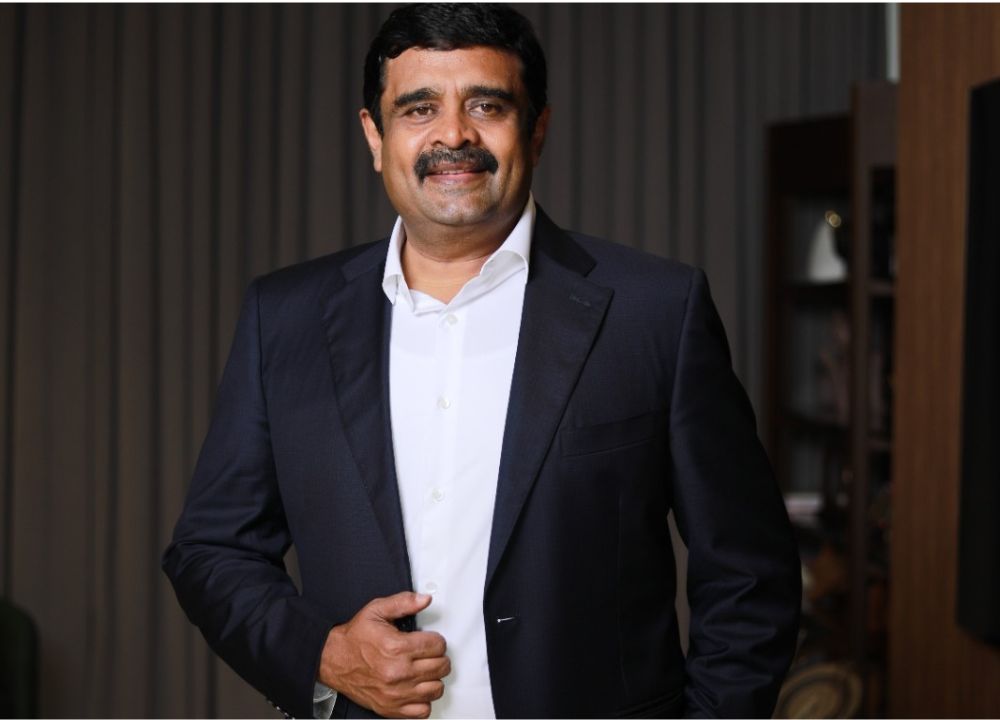
Narinder Mittal, President and Managing Director of CNH India, said access to suitable machinery and timely support was important during the short period between paddy harvesting and wheat sowing. He said tractors, balers and genuine spare parts helped farmers manage crop residue without burning it.
CNH has also opened a dedicated parts warehouse in Ludhiana to improve the availability of genuine components for large tractors and balers. The facility operates seven days a week and uses a GPS-enabled transport fleet with real-time shipment tracking. The company aims to deliver parts within 24 hours to most customer locations, helping reduce machine downtime during critical farming periods. The warehouse complements CNH’s distribution network in India, which includes more than 600 dealers and over 1,000 touchpoints.
New Holland introduced crop residue baling in India and has been present in the country since 1998. CNH’s crop residue management equipment range includes tractors, combine harvesters, square and round balers, gyro rakes, mulchers, choppers and forage harvesters. These machines also support the collection and supply of agricultural residue for compressed biogas (CBG) plants.
The company said the two initiatives form part of its efforts to combine mechanisation, aftermarket support and sustainable farming practices. With manufacturing, research and development and distribution operations in India, CNH continues to serve the agricultural sector through its equipment and technology portfolio.
CNH (NYSE: CNH) provides agricultural and construction equipment and technology. Its brands include Case IH, New Holland and STEYR in agriculture, and CASE Construction Equipment and New Holland Construction in construction. Supported by CNH Capital and regional and technology brands, the company operates in more than 160 markets and employs over 34,000 people worldwide. It reported revenue of US$18.1 billion in 2025. CNH traces its innovation history to 1842 and develops machinery and technologies for agriculture and infrastructure.