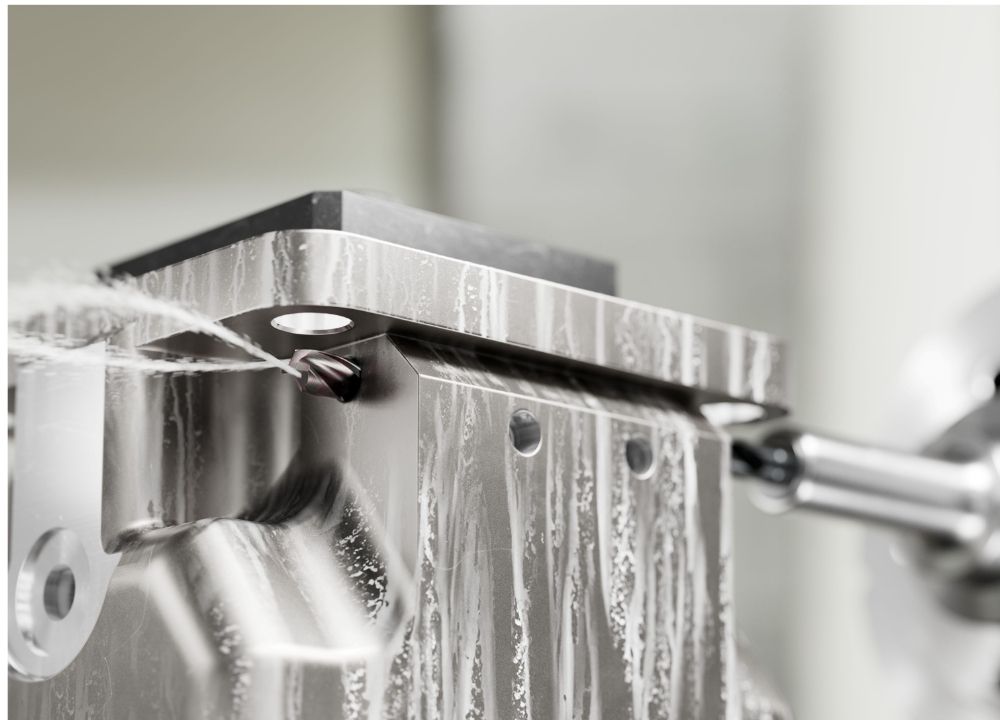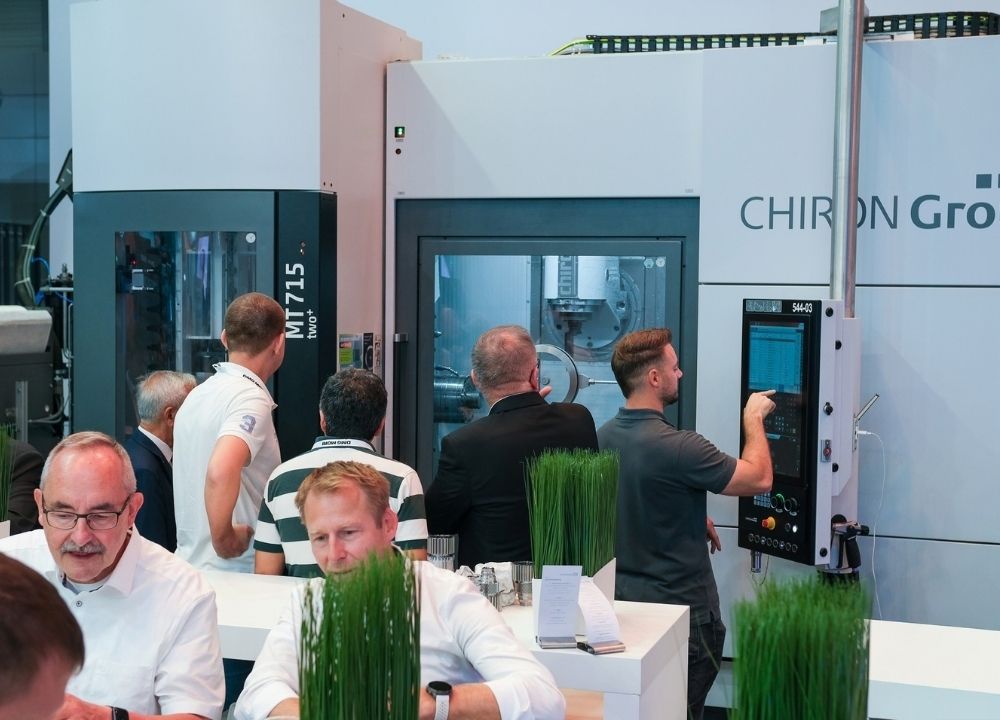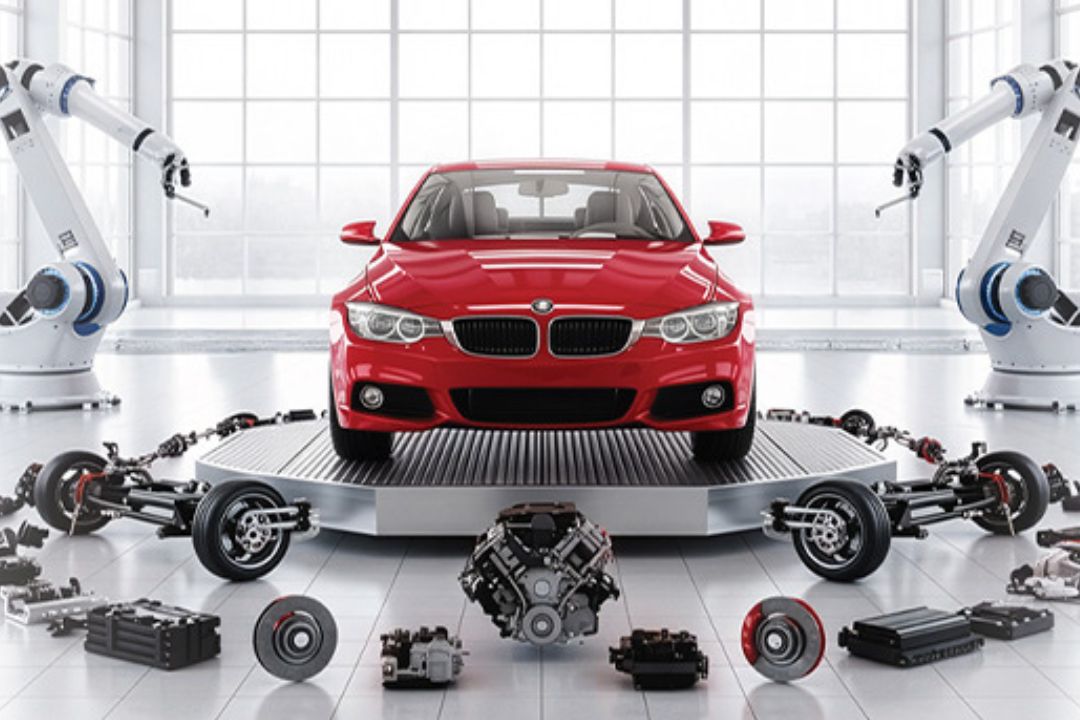
Avendus Capital has released a comprehensive report on India’s auto component industry, projecting that the country’s metal forming segment will grow at an approximate 12% compound annual growth rate to reach USD 90–95 billion by FY30. The findings highlight a significant structural shift in global automotive supply chains, favoring process-driven manufacturing segments such as casting, forging, stamping, and machining.
According to the report, metal forming is emerging as one of the most resilient and high-value segments within the broader automotive component ecosystem. This growth is supported by strong domestic demand, rising exports, and increasing integration into global supply chains. India’s auto component industry has already crossed USD 80 billion in size as of FY25, with exports reaching approximately USD 23 billion, marking its transition from a net importer to a net exporter.
The report identifies a fundamental shift in value creation, with increasing emphasis on specialized manufacturing capabilities rather than diversified product portfolios. Companies with deep metallurgical expertise, precision tooling, and advanced process capabilities are gaining a competitive edge, creating high barriers to entry for new participants.
India’s positioning as a global manufacturing hub is further strengthened by ongoing changes in international supply chains. As original equipment manufacturers (OEMs) and Tier-1 suppliers diversify sourcing strategies amid geopolitical uncertainties and cost pressures, India is emerging as a preferred destination due to its cost competitiveness, engineering talent, and established supplier base.
The report also highlights continued relevance of metal forming processes across both internal combustion engine (ICE) and electric vehicle (EV) platforms. Increasing requirements for lightweight materials, precision engineering, and component complexity are driving sustained demand for these processes.
Additionally, India is gaining a strategic advantage in ICE component manufacturing as global suppliers shift investments toward electrification. This creates an opportunity for Indian manufacturers to capture a growing supply gap in critical drivetrain components such as gears, crankshafts, and axles. A large global base of over 1.5 billion ICE vehicles also supports long-term aftermarket demand.
From an investment perspective, the sector is witnessing increased deal activity, with strong participation from global private equity firms and strategic investors. The trend reflects a broader move toward capability-led consolidation, with investors prioritizing scalable platforms that combine technical expertise with export-oriented growth. Avendus Capital expects this momentum to continue, positioning India’s metal forming sector as a key driver of long-term growth and value creation within the global automotive industry.