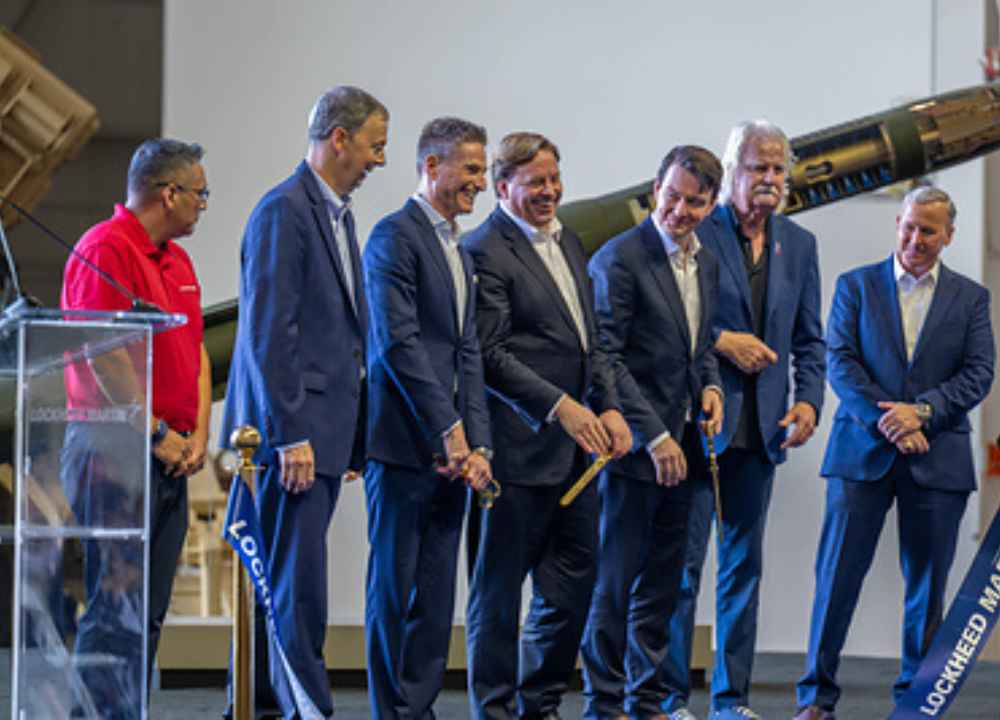
Lockheed Martin has announced a $300 million investment to expand its manufacturing facility in Grand Prairie, Texas, as part of a wider plan to increase production capacity and create 6,000 jobs across the United States. The hiring plan includes 2,000 positions in Texas.
The expansion will increase the facility’s total area to more than 735,000 square feet. The project includes the addition of 100,000 square feet of manufacturing space and the conversion of 85,000 square feet of existing office space for production activities. The Grand Prairie facility manufactures components supporting several US missile programmes, including PAC-3 Missile Segment Enhancement (MSE), Terminal High Altitude Area Defense (THAAD), Precision Strike Missile (PrSM) and Joint Air-to-Surface Standoff Missile (JASSM). The site supplies components to final assembly facilities in Arkansas and Alabama.
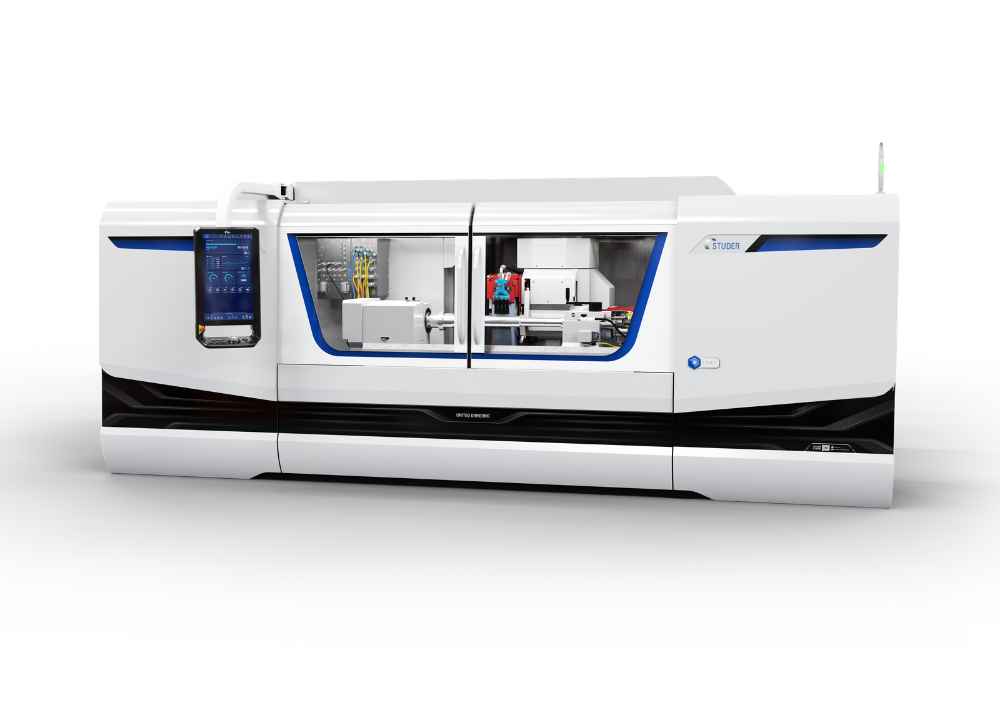
A key part of the expansion is the installation of an automated machining cell developed with Hadrian, a US manufacturing technology company. The 24-machine cell is expected to become operational in early 2027. The partnership follows a seven-year agreement signed by the companies in 2025 to expand automated manufacturing capabilities.
The investment forms part of Lockheed Martin’s broader plan to spend between $8 billion and $9 billion through 2030 to increase munitions production and expand or modernise more than 20 facilities across the United States. The Grand Prairie facility currently employs nearly 800 production workers and manufactured approximately 250,000 parts in 2025. Lockheed Martin expects to add nearly 100 machines at the site by the end of 2026 as part of its production expansion.
The project is intended to increase manufacturing capacity for missile components while supporting the company’s wider efforts to meet demand from US defence programmes. The addition of automated equipment is expected to increase production capability and improve manufacturing efficiency.
Lockheed Martin said the investment would support its efforts to expand the domestic industrial base and increase output across its missile and fire-control business. The company’s planned recruitment across the United States, together with the expansion of its manufacturing network, is part of a wider programme to increase production capacity and strengthen supply chains.