Schneider Electric India Foundation (SEIF), the social development arm of Schneider Electric in India, has partnered with the Government of Tamil Nadu to establish 70 advanced skill training centres across Government Industrial Training Institutes (ITIs) in the state. The initiative aims to strengthen vocational education, expand access to industry-relevant technical training and prepare young people for employment opportunities in the energy technology and industrial automation sectors.
The first 30 centres were inaugurated by Tamil Nadu Chief Minister C. Joseph Vijay on October 28, 2026, at the Government ITI in Guindy, Chennai. The remaining 40 centres will be established under the next phase of the programme, taking the total number of facilities to 70 across the state.
An exchange of a Memorandum of Understanding (MoU) between Schneider Electric India Foundation and the Tamil Nadu Government also took place during the inauguration ceremony, formalising the partnership for setting up the additional 40 centres. The initiative is being implemented in coordination with the Directorate of Employment and Training, Government of Tamil Nadu.
The programme is expected to create skill development opportunities for approximately 25,000 young people across Tamil Nadu. Training will focus on electrical technologies and industrial automation, areas that are increasingly important to manufacturing, infrastructure, energy management and industrial operations. The centres will be equipped with advanced training infrastructure designed to reflect evolving industry practices and technical requirements.
In addition to establishing the facilities, SEIF will undertake the training of instructors across all 70 participating ITIs. This component will help strengthen the ability of trainers to operate the new equipment, deliver practical instruction and provide students with relevant technical knowledge. Building trainer capabilities is a key part of the programme, ensuring that the upgraded infrastructure translates into effective and sustained learning outcomes.
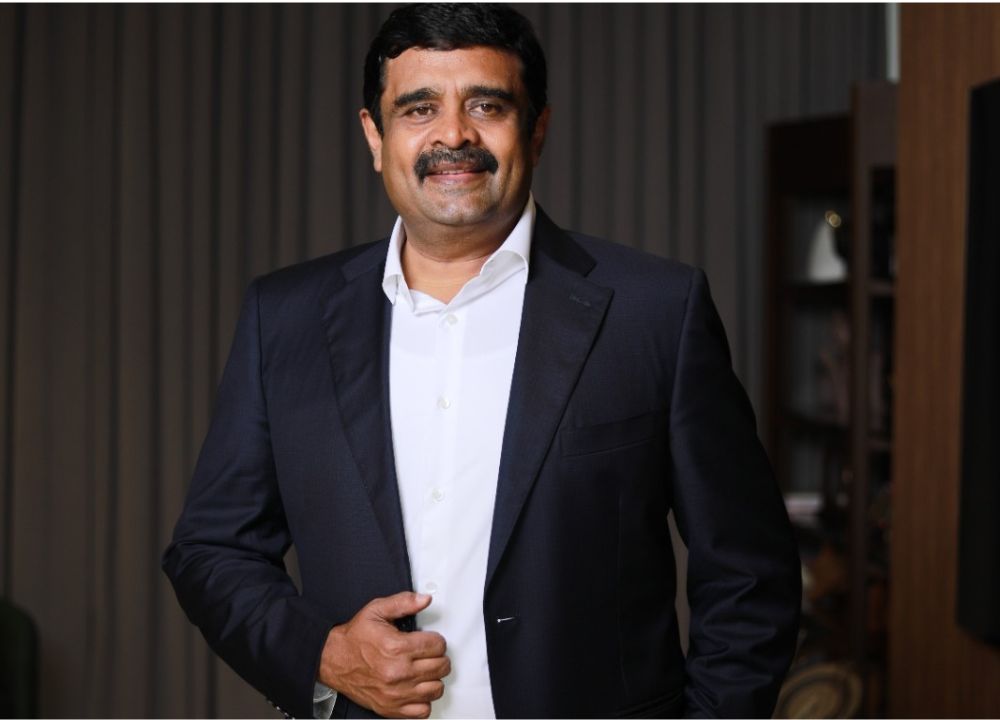
Deepak Sharma, Zone President, Greater India, Managing Director and CEO, Schneider Electric India, said, “We thank the Hon’ble Chief Minister of Tamil Nadu for inaugurating these skill centres and recognising the importance of industry-relevant skill development. Building a future-ready workforce requires strong collaboration between industry and government. Through our partnership with the Government of Tamil Nadu, we aim to strengthen vocational training infrastructure, build trainer capabilities and equip young people with relevant energy technology skills, bridging the gap between technical education and evolving industry requirements.”
The partnership is designed to address the growing need for technically skilled professionals as industries adopt more advanced electrical systems, automation technologies and energy-efficient solutions. By aligning vocational training with industry requirements, the initiative seeks to improve the readiness of ITI students for emerging roles and support the development of a skilled workforce within the state.
The expansion of training infrastructure, combined with instructor development, is also expected to enhance the capacity of Government ITIs to deliver practical, technology-oriented education. The programme reflects a collaborative approach in which government institutions and industry work together to strengthen vocational learning and improve access to employment-oriented skills.
Through the establishment of 70 centres and training opportunities for around 25,000 youth, Schneider Electric India Foundation and the Tamil Nadu Government aim to make technical education more responsive to changing workforce requirements and support the state’s industrial and economic development.
Schneider Electric is a global energy technology company focused on improving efficiency and sustainability through electrification, automation and digitalisation across industries, businesses and homes. Its technologies support buildings, data centres, factories, infrastructure and electricity grids through interconnected systems that enhance performance, resilience and sustainability. Its portfolio includes intelligent devices, software-defined architectures, AI-powered systems, digital services and expert advisory. Schneider Electric has approximately 160,000 employees and one million partners across more than 100 countries and is consistently recognised among the world’s most sustainable companies.