

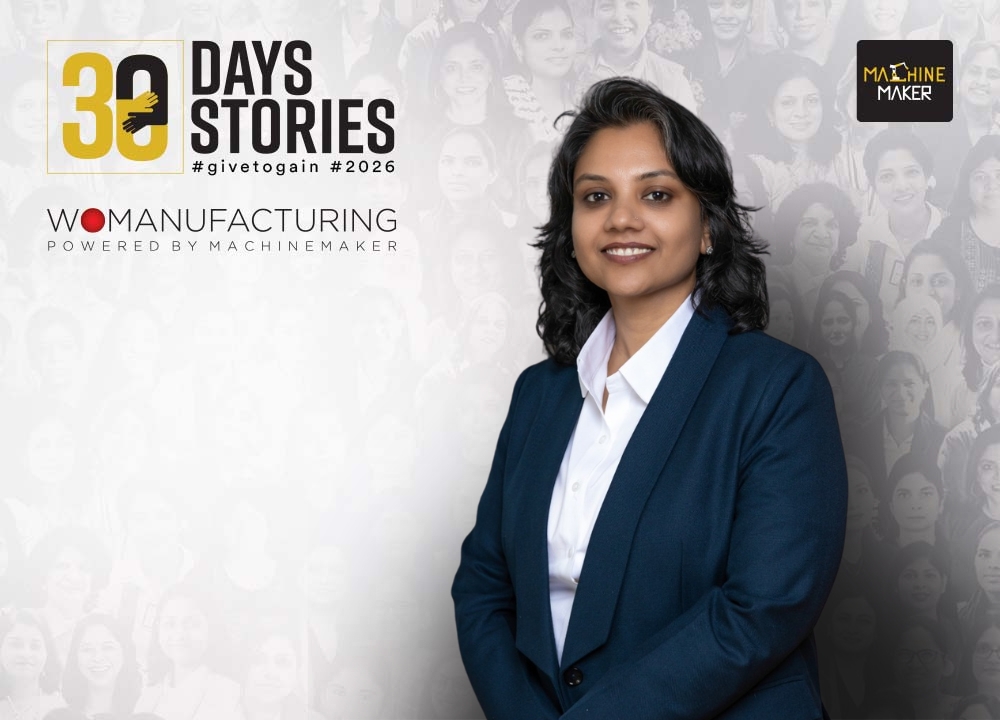
Most people in manufacturing build things with their hands or their minds. Ranjini Pillai builds something harder to measure: trust. She is the HR Head at SICK Sensor Intelligence India, a company whose sensors power factory automation, logistics, pharmaceuticals, and packaging across the world. In 25 years across engineering and manufacturing companies, she has learned that the most important machine in any organisation is a person who feels heard.
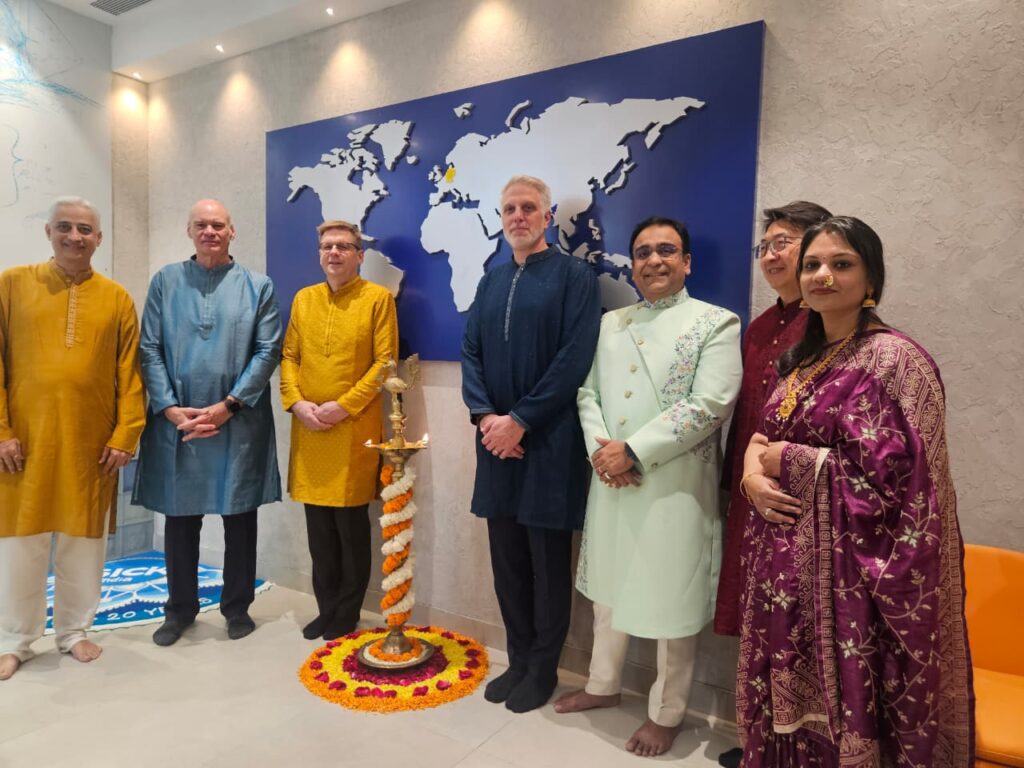
SICK Sensor Intelligence is a German technology company with a global presence. In India, the work centres on sales, service, and application engineering, helping manufacturers deploy sensors that make production lines smarter, safer, and more precise. It is a technical world, populated largely by engineers. It is where Ranjini Pillai has made her home.
Here is how she got there.
She Was Going to Be a Programmer, Then Someone Noticed Something Else
Ranjini grew up in Borivali, Mumbai. Her father, Ramchandran Pillai, worked at Vickers International, a British engineering subsidiary owned by Mahindra and Mahindra Group. Her mother, Valsala Pillai, managed the home. They were a Keralite family, rooted in Mumbai but never quite losing their connection to the south, to the language, to the way things were done back home.
Ranjini had interests that went far beyond textbooks. She trained in Bharatanatyam from a young age and completed her Arangetram, the formal solo debut on stage, when she was in Class 10. Her father gave both his children the freedom to choose. He told her: if you want to take up Bharatanatyam professionally, that is your choice. But have a backup.
She chose the backup. BSc in Chemistry, then a three-year software engineering course at Aptech. This was around the year 2000, when Aptech and NIIT were the roads people took when they wanted to stay relevant. She finished both qualifications and walked into Aptech’s own head office to interview for a C++ programmer role.
They noticed something else.
“They found me good in communication. The HR decided to put me in the training department. And that’s how it began. Slowly, HR started sinking into my life.”
The trainers around her nudged her toward an MBA in HR. She did it part-time, alongside work, through Welingkar Institute. She got her MHRDM. A career was quietly, firmly, set in motion.
Her Father Passed Away in Her Final Year
Ranjini was in the final year of her degree when her father passed away.
All their relatives were in Kerala. In Mumbai, the family was almost alone. Everyone assumed her mother would pack up and move the children to the native place. The practical thing. The expected thing. Her mother did not.
“She took that decision. She said: my kids have been brought up in Mumbai. Their education is here. I will take care of them. And she did.”
There is more. Around the same time, a marriage proposal arrived. A software engineer, a chance to go to the US. Ranjini had just finished her degrees. She was not ready. Her mother did not push. Instead, she found the MBA programme, took the voluntary retirement fund her husband had left behind, and put every rupee of it into her daughter’s postgraduate education.
“If a mother has that confidence in her children, they will succeed. She is still stronger than me. Whatever I am today, it is because of her.”
When Ranjini talks about her mother, she does not reach for grand words. She speaks with respect and gratitude. A woman who kept her family in Mumbai after her husband died. Who invested her retirement money in her daughter’s MBA. Who never made the expected choice when the right choice was still available.
It is not hard to see where Ranjini learned to back people.
HR Does Rangoli Making, She Knows the Joke
Twenty-five years ago, HR in manufacturing was not taken seriously. In some companies, it still is not.
“People say there are jokes. HR makes Rangoli.” She laughs. “But now HR is responsible for business decisions. Resource allocation. Whether you actually need so many people. Knowing the strategy.”
She has watched the function change in real time. From piles of paper CVs to AI-driven recruitment. From salary-and-appraisal processing to full lifecycle ownership of every person in the company. The tools changed. What did not change is the thing she cares about most: knowing the pulse of the people.
“Employees should not feel like they are just working remotely, doing performance, getting salary, getting increment. Have a connection with them. I do regional visits. If there is any issue, sort it out at the start. Continuous emotional connect, plus the formal connect alongside it.”
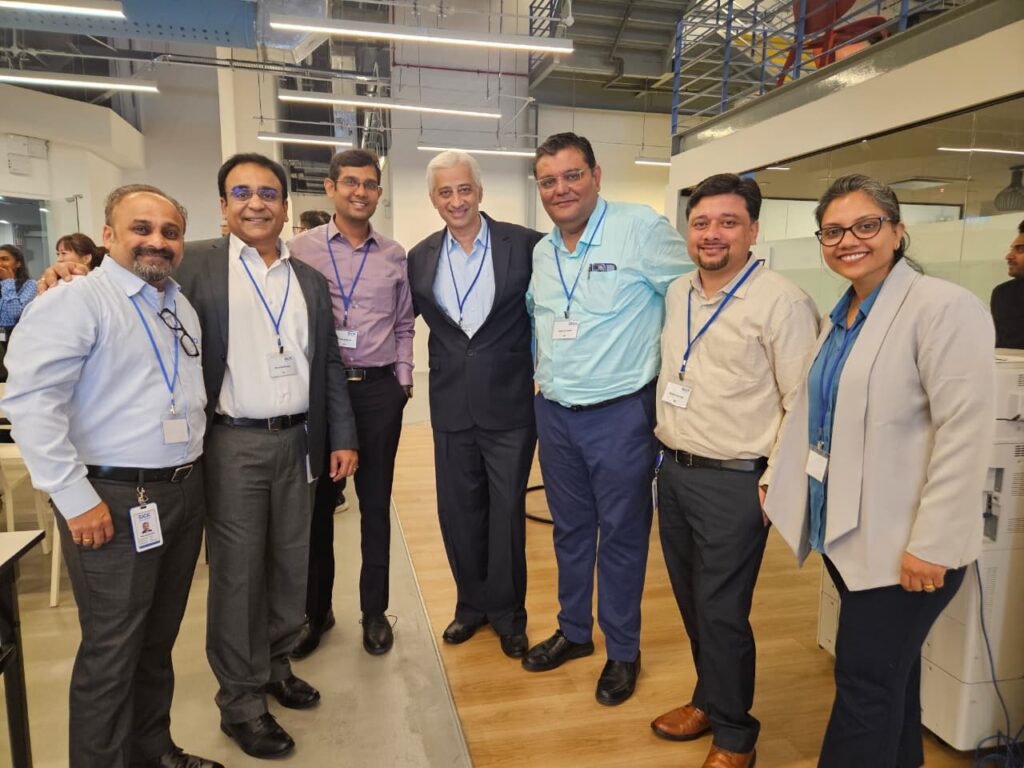
At SICK, the workforce is mostly male engineers. Ranjini manages their careers, their grievances, their growth plans, their rough patches. She has walked into conference rooms to deliver hard feedback to men who did not want to hear it from her. She has kept her data tight and her temper cool.
“When there is a high-temper situation, a heated argument, don’t match that heat. It will be a volcano eruption. Calm down. Give it some time. Then go and sort it out, one on one. If you have your data, the person will understand.”
She has been right about this more times than she can count.
The Manager Said She Won’t Travel, Ranjini Hired Her Anyway
This is the part of the story Ranjini is most proud of.
At SICK, female sales engineers were rare. The assumption across much of manufacturing sales is that women will not travel, will not visit industrial sites, will not do the field work. Managers said as much, to her face. Ranjini pushed back.
“Managers would come and say, ‘no, they will not travel,’ and many other excuses. I said: give them an opportunity. Give them some chance. They will prove you right.”
She hired a female sales engineer. She gave her the confidence, the backing, the room to prove herself.
It worked.
“If you are a recruiter, if you have made it as a woman in this field, then give that opportunity to others. They will prove you right. And you will feel proud of it.”
This is what Ranjini means when she talks about contribution. A hiring decision. A door held open by someone who has the authority to open it and chooses to.
The Pressure Cooker and the Office Deadline
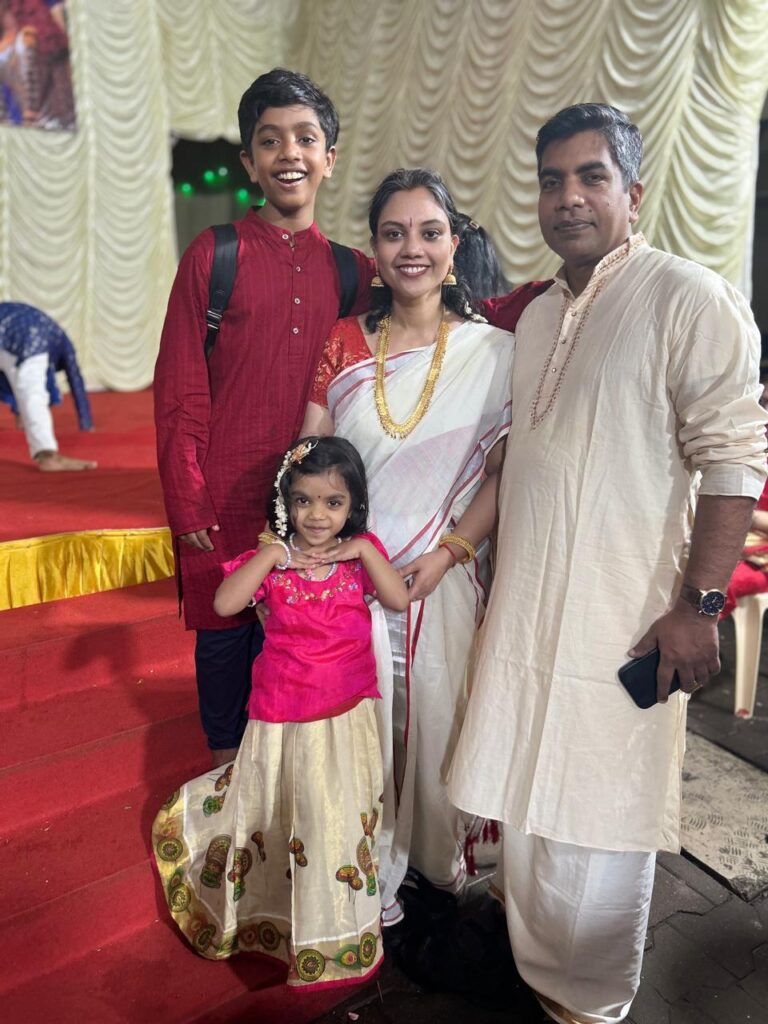
Ranjini has two children. Arjun is twelve. Ambika is four. Her husband Mithun works at HDFC. Life is full, the way life with two children and two careers tends to be.
She also keeps learning. After marriage, while her husband was on a project posting in Finland, she used the time to complete a law programme. She knew it would matter in HR. She was right. She reads Malayalam, makes sure her children are learning their mother tongue, and on Sundays she studies the Narayaneeyam, a Kerala scripture connected to the Guruvayur temple tradition, something she is beginning to explore for what it might say about human psychology.
“We should not lose our touch with our culture, our scriptures. As an HR person, I am thinking about how to blend this old wisdom with new human psychology. Somewhere they are connecting, but we are ignoring it.”
The dancing never stopped either. Arjun, her twelve-year-old son, caught it from her. Watched her perform once and was hooked. He has now been learning Bharatanatyam for seven years.
“I thought after some years he would shy away. But he is good at it. Somewhere maybe it was my dream, and he got it.”
She talks about the multitasking skill in women without making it sound like a superpower.
“In the pressure cooker, three whistles have gone. Somebody is at the door. The kid is crying. She knows the second whistle happened. She is tracking all of it. That same ability, she brings it to the office too.”
What She Wants to Give Back
When asked about the International Women’s Day theme, Give to Gain, Ranjini’s answer is practical and personal.
First: use whatever position you hold to open doors. She has already started doing this. Second: share knowledge with women who do not know what options exist. Many women in remote areas have never heard of HR as a career, let alone the range of roles available to them in manufacturing. Someone has to tell them.
Third, and this one she says quietly: go to the orphanages.
“In my previous organisation we visited an orphanage. A ten-day-old baby girl had been left under a bus depot. When we went, the NGO told us: we don’t want money. We want you to spend time with them. They want to talk to people. Play with them. Celebrate a birthday with them. That is what they need.”
She pauses.
“You need to go there. See the other side of life. Then you will feel how blessed you are, right where you are.”
The Learning Never Stops
Ranjini Pillai did not set out to be in HR. She was going to be a programmer. Maybe a dancer. Then one interview redirected everything, and she followed where it led.
Twenty-five years on, she is still learning. Law, ancient scriptures, the intersection of AI and people management. She still dances when she gets the chance. Her son is now better at it than she expected.
She has challenged the assumption that women will not travel for field roles. She has sat across from men twice her seniority, with her data in hand and her voice steady. She has watched a woman she hired as a sales engineer go on to prove every sceptic wrong. And she has visited orphanages, without announcement, and simply spent time with children who needed someone to show up.
Her motto, the one she has carried for 25 years:
“Whatever you do, give it full dedication and focus. Don’t wait for the result. It will flow in on its own.”It has, for her. And for the many people whose careers she has quietly shaped along the way.









