

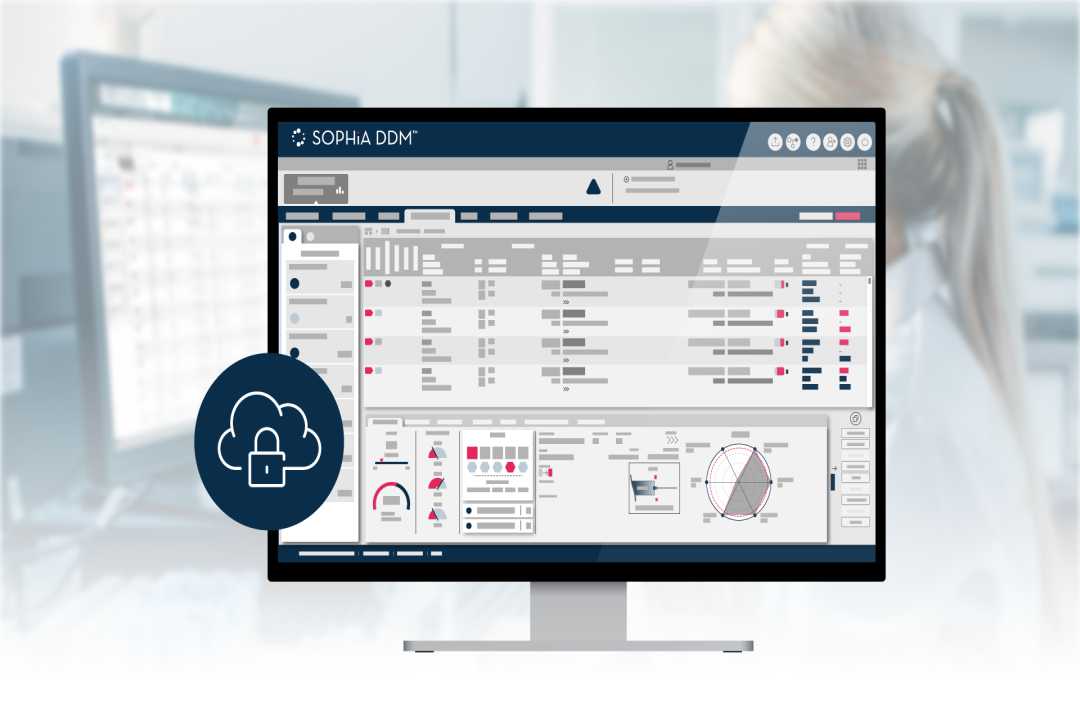
SOPHiA GENETICS has introduced a new research technology designed to help clinicians evaluate potential treatment strategies for cancer patients. The innovation, called SOPHiA DDM™ Digital Twins, creates virtual patient models that simulate disease progression and treatment responses using advanced computational analysis.
The system uses artificial intelligence to build a digital representation of an individual patient and their disease profile. By analysing a combination of clinical records, genomic data, medical imaging and biological information, the technology produces a computational model capable of predicting how a patient’s cancer may respond to different therapies.
Oncologists can use these digital replicas to explore potential treatment options within a virtual environment before making decisions about real-world patient care. The models allow clinicians to simulate therapy responses, disease progression patterns and potential survival outcomes based on each patient’s unique medical data. Medical researchers believe such modelling tools could contribute to more informed treatment planning, particularly for complex cancer cases where multiple therapeutic options may exist.
Dr Pierre Heudel, a medical oncologist at Centre Léon Bérard, said digital twin technology enables a deeper analysis of cancer data by integrating multiple types of medical information into a unified framework. According to him, the approach helps identify hidden relationships between clinical, genomic and imaging data while enabling simulation of disease progression and treatment responses.
The new system draws on the global network of healthcare institutions connected through the SOPHiA GENETICS platform. By analysinganonymised datasets from multiple hospitals and research organisations worldwide, the system can generate insights based on patterns observed across a large number of patient cases. This collective dataset allows clinicians to compare individual cases against similar profiles across the network, helping them evaluate possible outcomes and treatment pathways more effectively.
Dr Clara Montagut, head of gastrointestinal cancer at Hospital del Mar, noted that digital models capable of forecasting treatment outcomes could significantly influence the future of oncology care. She explained that having the ability to test potential treatment strategies virtually may help clinicians make better-informed decisions before initiating therapy.
In addition to supporting clinical decision-making, the digital twin platform also provides tools for research. By generating synthetic datasets that mirror real-world disease patterns, researchers can conduct simulations to study new treatment strategies and potential therapeutic combinations.
Dr Ernest Nadal, director of research and innovation at the Catalan Institute of Oncology, said the technology builds on years of preclinical and clinical research aimed at improving diagnosis and treatment of complex diseases. He indicated that digital twin systems may contribute to expanding the use of precision medicine approaches in oncology.
Dr Mariano ProvencioPulla, head of medical oncology at Puerta de Hierro University Hospital, also highlighted the potential value of digital twin modelling for advancing cancer treatment strategies. He pointed to applications in emerging therapies such as immunotherapy for non-small cell lung cancer, where predicting patient response is particularly important.
The SOPHiA DDM™ Digital Twins system continuously updates its analytical models as new clinical and research data becomes available. This ongoing learning process is intended to improve prediction accuracy and expand the system’s research capabilities over time. The technology has initially been launched on the SOPHiA DDM™ platform for lung cancer applications, with additional cancer types expected to be introduced in the coming months.
SOPHiA GENETICS is a cloud-based healthcare technology company focused on expanding the use of data-driven medicine. Its platform supports hospitals, laboratories and biopharmaceutical organisations by analysing complex genomic and clinical data and providing insights designed to support patient care and medical research.








