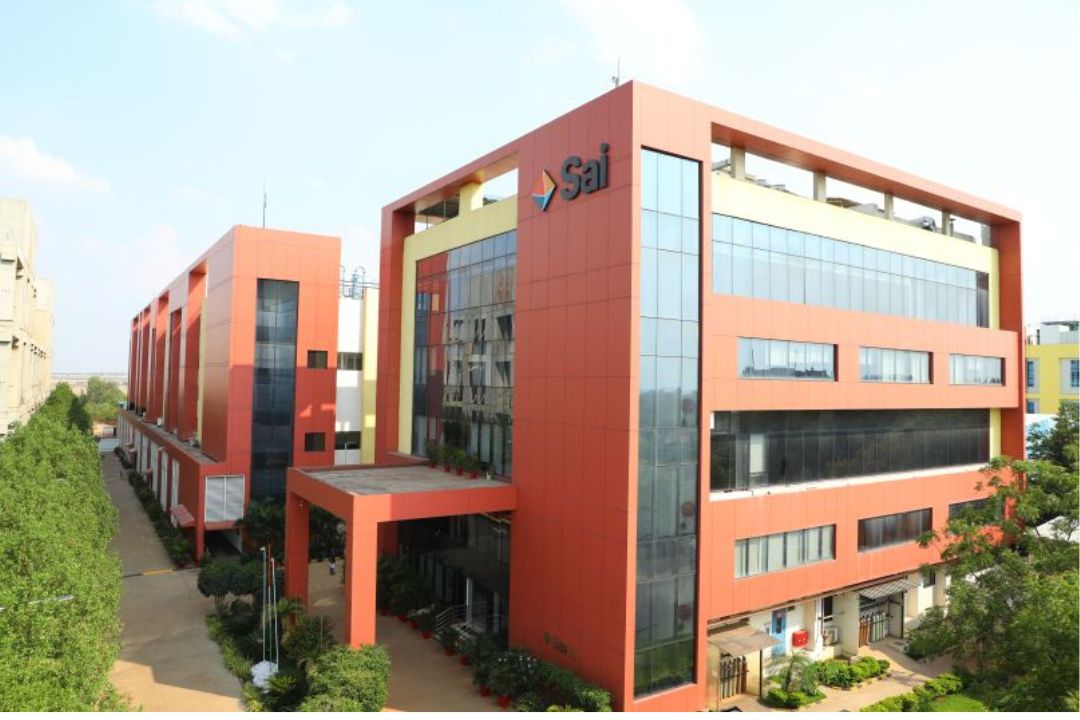
Sai Life Sciences Limited has announced that its Bidar manufacturing campus in Karnataka now operates entirely on renewable electricity, making it the first site within India’s Contract Research, Development and Manufacturing Organization (CRDMO) sector to achieve 100 percent renewable power usage. The Bidar campus includes Unit IV, the company’s flagship Active Pharmaceutical Ingredient (API) manufacturing facility, and Unit VI, its animal health API manufacturing facility.
Sai Life Sciences stated that the achievement marks a significant milestone in its long-term sustainability and operational resilience strategy focused on integrating renewable energy, energy efficiency, and environmentally responsible manufacturing practices across its operations. Commenting on the development, Krishna Kanumuri, CEO and Managing Director of Sai Life Sciences, said long-term industrial infrastructure decisions increasingly require alignment with sustainability, resilience, and resource efficiency objectives as global industries evolve toward cleaner operating models.
The transition to renewable electricity at the Bidar campus was implemented through a phased, multi-year strategy. Renewable energy accounted for 21 percent of the site’s energy consumption in 2020, rising to 57 percent in 2022, 89 percent in fiscal 2024, and eventually reaching full renewable conversion in fiscal 2026.
According to the company, approximately 97 percent of the campus’ electricity requirement is currently sourced directly through solar and wind power under Open Access renewable energy agreements. The remaining 3 percent is balanced through procurement of International Renewable Energy Certificates (I-RECs), ensuring that the facility’s complete electricity consumption is backed by renewable sources.
Sai Life Sciences stated that the renewable transition combined long-term clean energy purchase agreements with direct investments in renewable infrastructure, including a 2.7 MW wind energy project developed under a group captive model. Alongside renewable energy adoption, the company also implemented multiple energy-efficiency initiatives across the site including equipment modernisation, process optimisation programmes, and digital energy monitoring systems aimed at improving operational efficiency while reducing overall energy demand.
The company highlighted that the sustainability initiative extends beyond a single facility. Nearly 80 percent of Sai Life Sciences’ total electricity consumption across all operations is now sourced from renewable energy. As a result of the transition, the company stated that it has achieved zero market-based Scope 2 emissions while avoiding approximately 35,110 metric tonnes of carbon dioxide emissions annually.
Sai Life Sciences said the Bidar milestone reflects its broader strategy of combining scientific innovation, manufacturing excellence, operational efficiency, and sustainability as part of long-term growth planning. The company operates as a full-service Contract Research, Development and Manufacturing Organization serving innovator pharmaceutical and biotechnology companies globally across small molecules and emerging therapeutic modalities.
Sai Life Sciences maintains operations across India, the United Kingdom, and the United States, offering integrated research, development, and manufacturing capabilities supported by scientific expertise and advanced infrastructure. Industry experts note that sustainability and renewable energy adoption are becoming increasingly important across global pharmaceutical manufacturing supply chains as healthcare companies and contract manufacturers work toward reducing environmental impact while improving operational resilience.