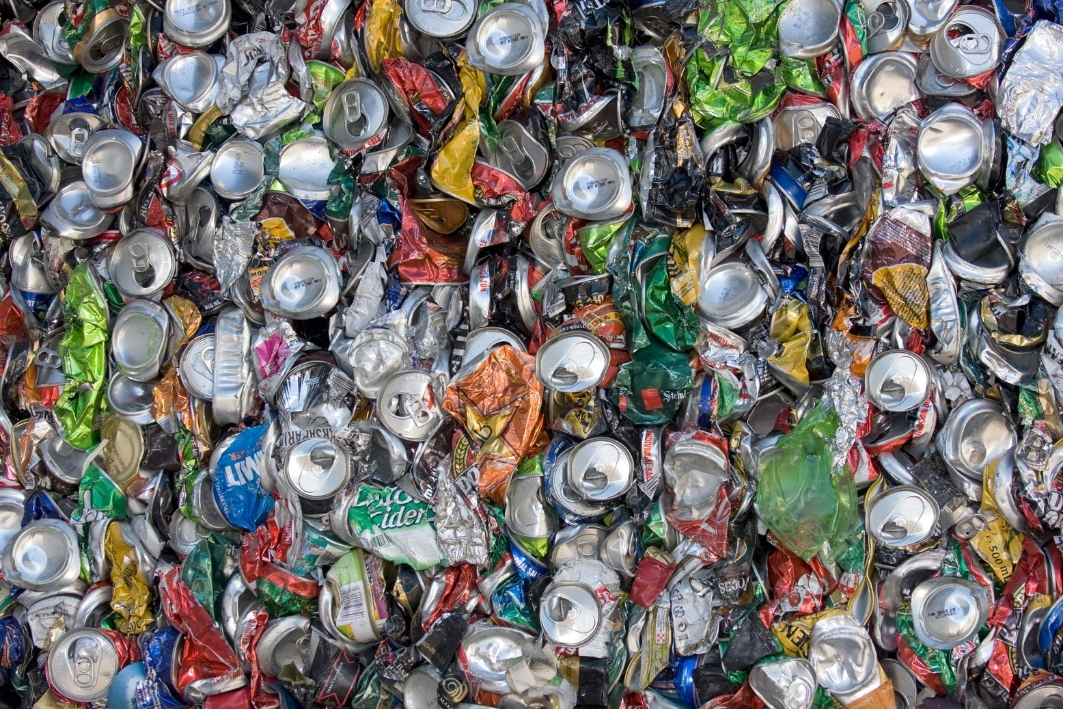
The Material Recycling Association of India (MRAI) has urged the Union Government to abolish the existing 2.5% Basic Customs Duty (BCD) on aluminium scrap in the Union Budget 2027–28, citing rising uncertainty over international supplies of recyclable raw materials and the need to strengthen India’s domestic recycling industry. In its pre-Budget recommendations, MRAI has proposed reducing the BCD on aluminium scrap under HSN 7602 from 2.5% to nil. The association said the existing duty increases raw material costs for Indian recyclers, particularly Micro, Small and Medium Enterprises (MSMEs), placing them at a disadvantage against manufacturers in countries that permit duty-free imports of recyclable materials.
The demand comes amid growing restrictions on international trade in scrap, including the European Union’s proposed restrictions on metal scrap exports to India. MRAI said ensuring access to competitively priced raw materials was important for maintaining domestic manufacturing, supporting investment and protecting employment in the recycling sector.
The association has also urged the government to consider the customs duty issue separately from proposals for additional quality standards or a Quality Control Order (QCO). Sanjay Mehta, President, MRAI, said, “Aluminium scrap is a strategic industrial raw material and should not be treated as waste attracting import duty. Indian recyclers are competing with countries that provide duty-free access to recyclable materials, while domestic MSMEs continue to bear an additional cost. Removing the 2.5% BCD will correct this anomaly, reduce input costs, improve the competitiveness of domestic recyclers and encourage fresh investments in the sector.”
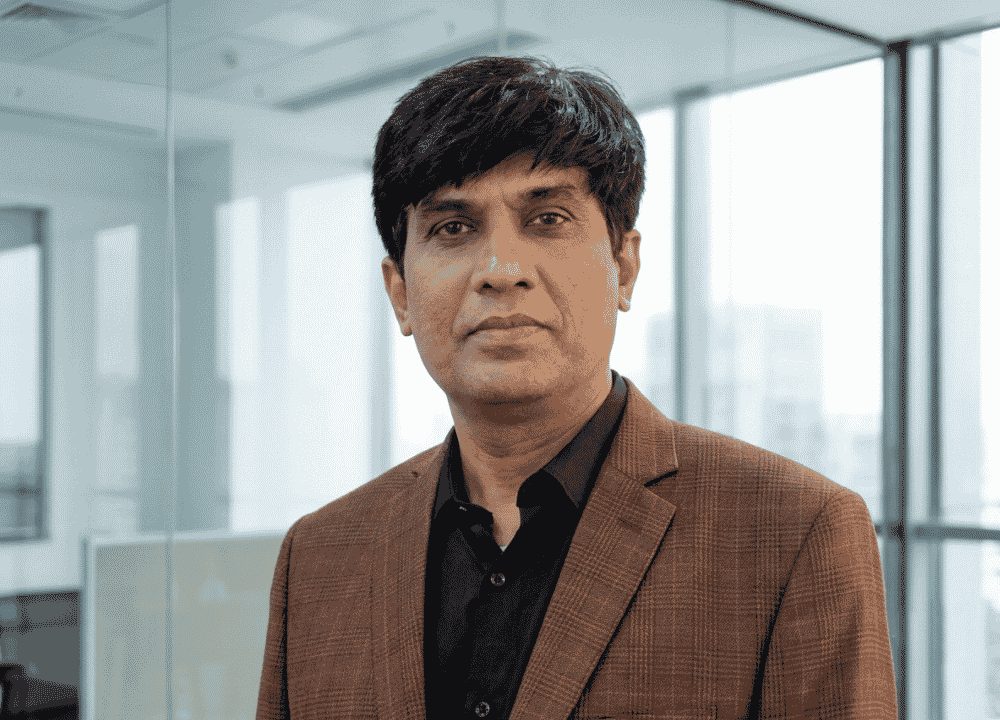
Dhawal Shah, Senior Vice President, MRAI, said recycling helps conserve natural resources, reduce dependence on primary metal production and lower the environmental impact of manufacturing. He noted that secondary aluminium production offers significant energy and emission savings compared with primary aluminium production. He added that a supportive policy framework would help expand domestic recycling capacity and advance India’s circular economy objectives. Mr Shah also said the Ministry of Mines had recommended removing the 2.5% BCD to the Department of Revenue following discussions by a Joint Working Group comprising representatives from the primary aluminium and recycling industries.
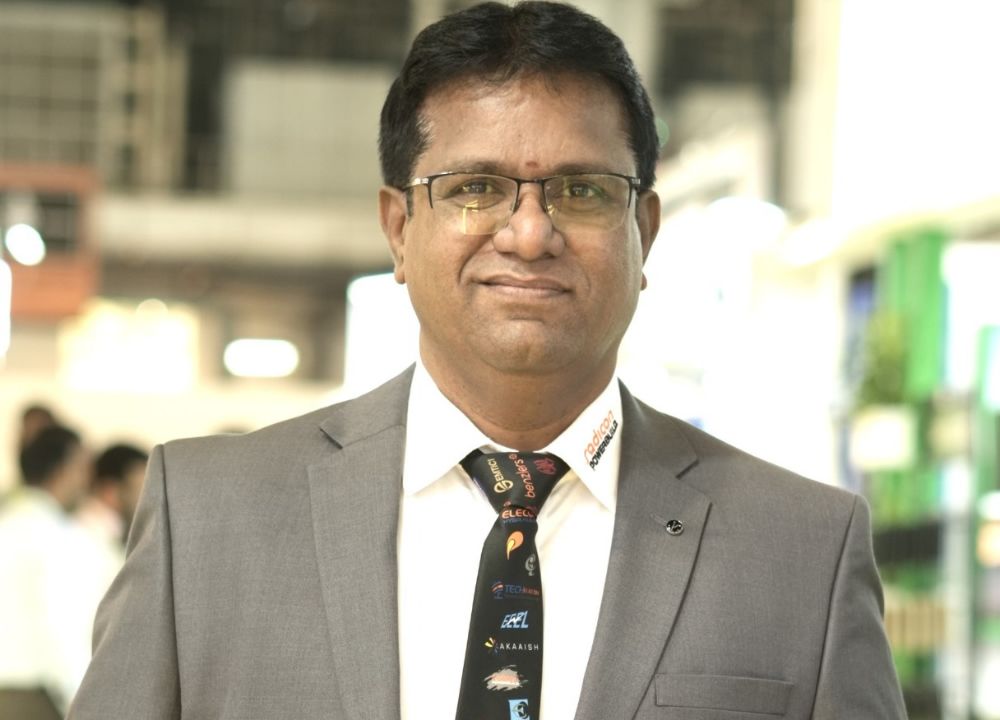
Highlighting the industry’s dependence on imported raw materials, Jayant Jain, Director, G R Metalloys Pvt Ltd said India’s secondary aluminium industry meets nearly 85% of its raw material requirements through imported scrap, much of it end-of-life material sourced from the US and Europe. He noted that scrap varies in composition and quality depending on its origin and previous application, making it difficult to standardise like manufactured products. The existing BIS coding and classification framework, based on internationally accepted specifications, already provides a mechanism to identify different grades.
Mr Jain said QCOs should apply to finished aluminium products rather than imported scrap used as raw material. Additional controls on scrap imports could raise compliance costs, delay shipments and disrupt supplies. He also stressed that customs duties and quality regulations are separate policy matters and should not be linked.
Alongside its aluminium scrap recommendations, MRAI has called for a comprehensive national framework to recover, refine and reuse critical minerals from secondary resources. It said mining alone would not be sufficient to meet India’s growing requirements for lithium, cobalt, nickel, graphite and rare earth elements, particularly as demand increases across electric mobility, battery storage, electronics, renewable energy, aerospace and defence.
The association has recommended strengthening the entire recycling value chain, from collection, aggregation and segregation to processing, mineral recovery, refining and reuse. End-of-life batteries, electronic waste, electric vehicles, solar panels, permanent magnets and industrial scrap offer opportunities for urban mining and can supplement conventional mineral supplies.
MRAI has acknowledged the government’s ₹1,500 crore incentive scheme under the ₹34,300 crore National Critical Mineral Mission (NCMM) for recovering critical minerals from secondary sources. However, it has called for further support to develop domestic processing and refining capacities, encourage technology partnerships and ensure that incentives are linked to actual mineral recovery rather than only the production of intermediate materials such as black mass.
The association said a predictable and competitive policy environment would help attract investment, create employment, improve raw material security and strengthen India’s manufacturing base, while supporting the country’s circular economy objectives and Net Zero 2070 commitment.