

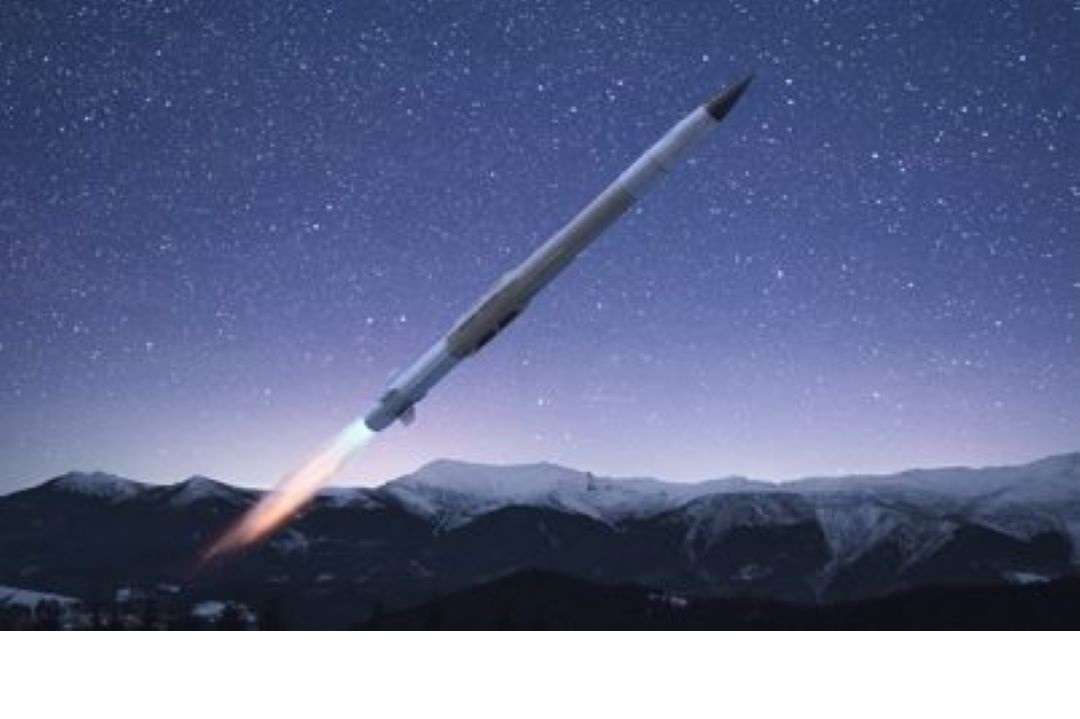
Lockheed Martin and Collins Aerospace have reported new testing milestones for technologies aimed at improving military training and aircraft performance. Lockheed Martin has completed the second successful flight test of its Joint Reduced Range Rocket (JR3), while Collins Aerospace has completed altitude testing of its Enhanced Power and Cooling System (EPACS) for the F-35 aircraft.
Lockheed Martin conducted the second JR3 flight test at Yuma Proving Ground in Arizona. Multiple training rounds were launched from a High Mobility Artillery Rocket System (HIMARS) to test range, trajectory, accuracy and marking payload performance.
The JR3 is being developed as a lower-cost training round for the US Army and international customers. It is designed to replace the existing Reduced Range Practice Rocket and support realistic live-fire training without the cost of using full operational rockets.
The system is designed for both HIMARS and M270 launchers. Its 24-rocket launch pod can be reloaded, allowing launch crews to conduct repeated training exercises. Lockheed Martin said the system uses mature rocket motor technology and a modular design to keep training costs lower.
Dave Griser, vice president, Lockheed Martin Precision Fires Rockets, said the JR3 is designed to provide higher training volumes at a lower cost while maintaining required performance. Another JR3 flight test is planned later this year. Lockheed Martin is also examining how the system’s technology could support future programmes involving low-cost, mass-produced rockets.
Separately, Collins Aerospace has completed altitude testing of EPACS, a next-generation power and thermal management system being developed for the F-35.The testing was carried out over several days at different altitudes and power levels designed to represent aircraft mission conditions. The system was pushed to operational limits to collect performance data and verify its ability to provide the required emergency power and cooling.
EPACS is designed to provide greater cooling capacity for the F-35 and create additional thermal capacity for future aircraft upgrades. Collins Aerospace said the testing also helped validate performance models and reduce technical risks during development.
Ira Grimmett, vice president, Environmental & Airframe Control Systems for Power & Controls at Collins Aerospace, said successful altitude testing confirmed system performance under flight conditions and increased confidence in its capabilities. The latest milestone follows Collins Aerospace’s 2025 announcement that EPACS had met requirements for aircraft integration.
Both programmes focus on improving the performance, availability and affordability of defence systems. While JR3 is aimed at increasing the volume of realistic weapons training, EPACS is designed to provide the F-35 with greater power and cooling capability as new technologies are added to the aircraft.









