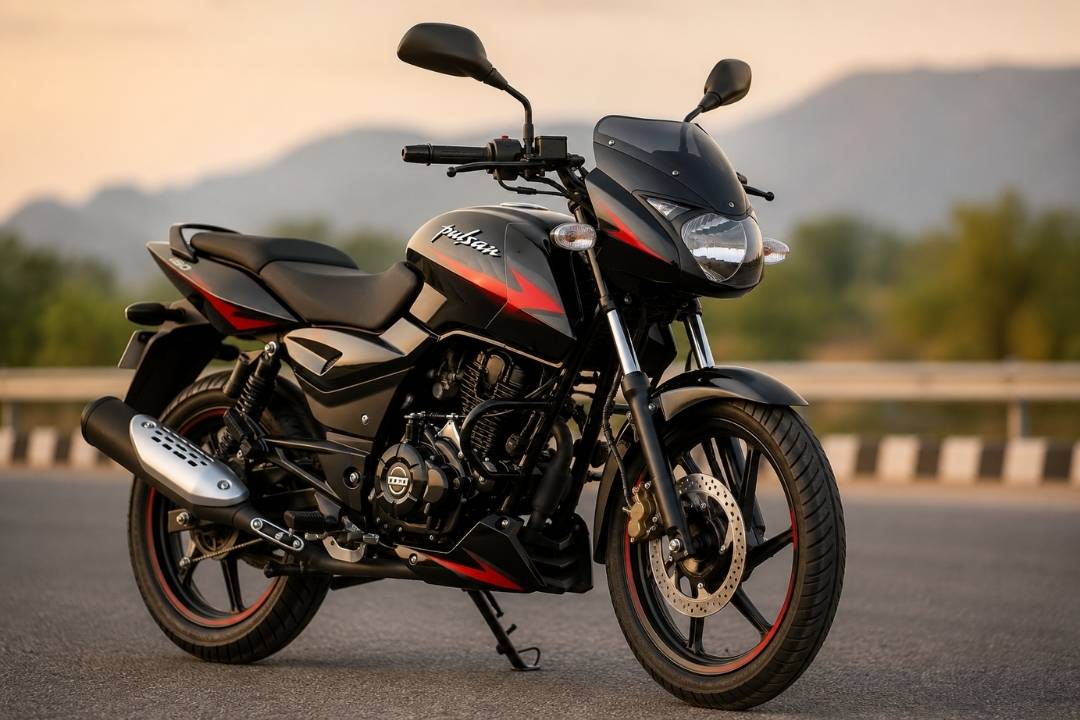
India’s two-wheeler industry is expected to maintain steady growth in FY2027, with wholesale volumes projected to rise by 3–5%, according to the latest sector outlook released by ICRA. While domestic demand remains resilient, the rating agency believes the pace of expansion is likely to moderate as the industry navigates a higher base, weather-related uncertainties and rising vehicle prices.
The sector enters the new fiscal on the back of strong momentum witnessed in FY2026, driven by improving consumer sentiment, healthy rural demand and sustained recovery in exports. According to ICRA, favourable policy measures, including GST rationalisation, have enhanced affordability and encouraged fresh purchases, while replacement demand continues to support market growth across urban and rural regions.
Domestic wholesale dispatches remained robust in May 2026, rising 15.7% year-on-year to nearly 1.9 million units. The increase was supported by improved consumer demand and advance buying ahead of expected vehicle price revisions announced by several manufacturers. Retail sales also remained healthy during the month, recording a 7.5% year-on-year increase, reflecting stable customer demand across multiple price segments.
ICRA noted that retail demand benefited from seasonal purchases during the marriage season, wider product availability and improved affordability. However, extreme summer temperatures in several parts of the country affected showroom visits, while supply constraints in select models limited sales growth in certain markets.
The export market continued to emerge as a major growth driver for Indian manufacturers. Two-wheeler exports expanded 31.3% year-on-year in May 2026, following an overall growth of 23.3% during FY2026. Expanding product portfolios, improved competitiveness and rising acceptance of Indian brands across international markets have contributed to the sustained recovery in overseas shipments.
Electric mobility also maintained strong growth momentum. Retail sales of electric two-wheelers reached 172,148 units during May 2026, representing a sharp 71.7% increase compared to the corresponding month last year. Electric models accounted for 8.9% of total two-wheeler retail sales, underlining growing consumer confidence in electric mobility supported by expanding charging infrastructure and a wider range of products.
Despite the positive demand environment, ICRA expects industry growth to moderate during FY2027 due to the high base created in the previous year. The rating agency also identified the possibility of a weaker monsoon associated with El Niño conditions as a factor that could affect rural demand.
In addition, inflation-driven increases in vehicle prices may influence consumer purchasing decisions. ICRA further highlighted geopolitical developments in West Asia as an important area to monitor. Any escalation in regional tensions could disrupt global supply chains, increase logistics costs and affect raw material availability for vehicle manufacturers.
While these uncertainties remain, the overall outlook for India’s two-wheeler industry continues to be positive, supported by improving domestic consumption, expanding exports and rising adoption of electric vehicles. The sector is expected to remain on a stable growth trajectory as manufacturers continue to introduce new products, strengthen distribution networks and respond to evolving consumer preferences.