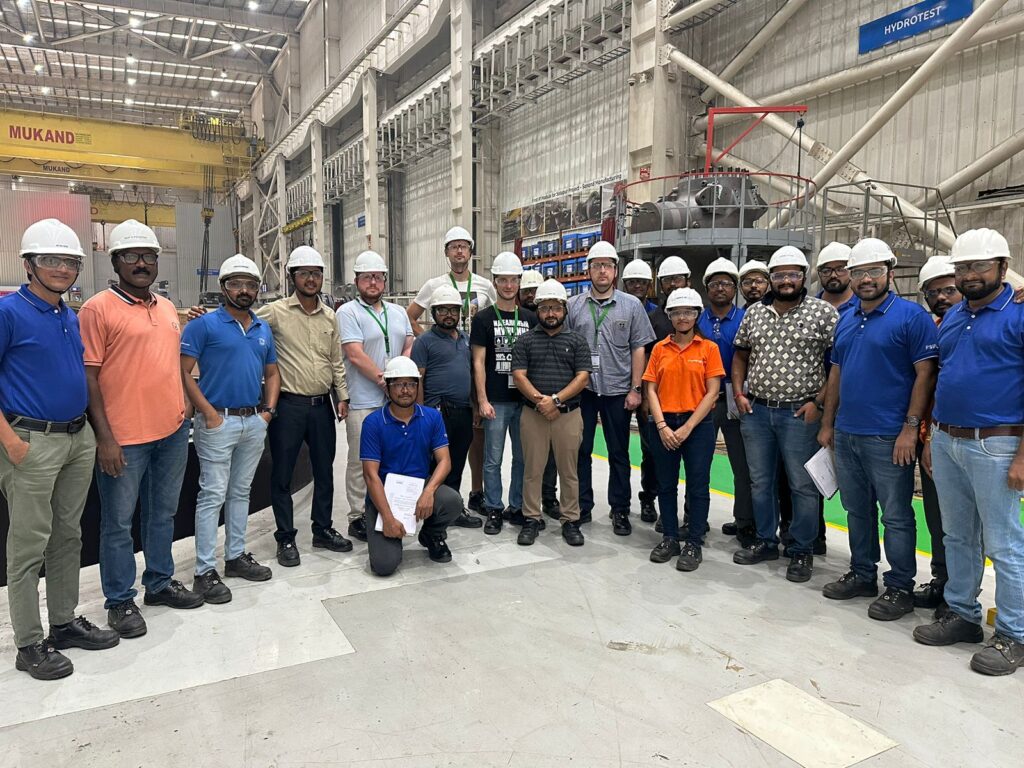
She walked onto the factory floor as one of roughly ten women among more than 400 men. She did not know yet whether she would get the same opportunities, the same challenges, the same chances to grow. That was ten years ago. Today, Riddhi Doshi is a Project Manager at Arabelle Solutions (EDF Group), India, working on global nuclear projects. She built each role deliberately, moving through manufacturing engineering, material planning, product costing, and order management. She is still building.
Arabelle Solutions is a market leader in nuclear turbine island technology and services, with a history of innovation going back to the industry’s earliest years. At their world-class manufacturing facility in Sanand, Gujarat, Riddhi has spent her entire career, growing from a graduate engineer trainee into the project management function that sits at the intersection of technical delivery, commercial execution, and customer relationships. The work she oversees today: safety, quality, delivery, and cost for global nuclear programmes, is the kind of work that leaves no room for error.
Where She Comes From
Riddhi grew up in a Jain family with deep roots in business. Her father, Atushbhai Doshi, built his business from the ground up, navigating the financial pressures that come with starting something from scratch. Meanwhile, her mother, Daxa Doshi, held the family together. Riddhi’s family background is not corporate employment. It is business ownership, cash flow management, the kind of work where you carry the whole thing yourself.
She grew up watching that. It shaped how she thinks about work even now, inside a large organisation.
“Although I am in a job, I look at the field I work in from a business perspective. That comes from my childhood and the journey I have seen in my family.”
She also carries something quieter. In her mother’s family, her maternal aunts once ran her grandfather’s small village shop to support the family business. No fanfare. No formal career. Just women stepping in and doing what needed to be done, thirty years before anyone called it empowerment. Riddhi is the first woman in her family to hold a formal professional role, but she is not the first to carry responsibility.
She graduated in Engineering in 2015 and was recruited straight from campus into turbine operations at Sanand. Machines did not excite her during her studies. That changed the moment she stepped onto the factory floor.
“I did not like machines very much at first. But when I stepped into the factory and saw the massive components, and understood the impact they create on people’s lives, that is when the transition happened.”
How She Actually Built Her Career
Most people think of a ten-year career as a ladder. Riddhi’s has been more like a map, deliberately explored one territory at a time.
She started as a manufacturing engineer, spending two and a half years on processes, turbine components, and improvement work on the shop floor. Then she moved to planning, taking end-to-end delivery responsibility for service projects across India and globally. Then product costing, three and a half years in a techno-commercial role where she learned how technical decisions connect to market competitiveness. Now she manages orders and projects for global nuclear programmes, overseeing safety, quality, delivery, and cost from order intake to shipment.
Each move was deliberate. The business instinct she grew up with told her that depth matters more than speed, that understanding how something actually works is worth more than moving fast.
“Get started. Don’t just do the job. Understand it. Go deeper than anyone expects, get wider than your job description, and make your goal so strong that nothing can shake it. Once you do that, the opportunities are tremendous.”
She Was One of Ten Women Among Four Hundred Men
When Riddhi joined, the numbers were stark. Roughly ten women in a factory of over four hundred people. The ambition came. So did the opportunities.
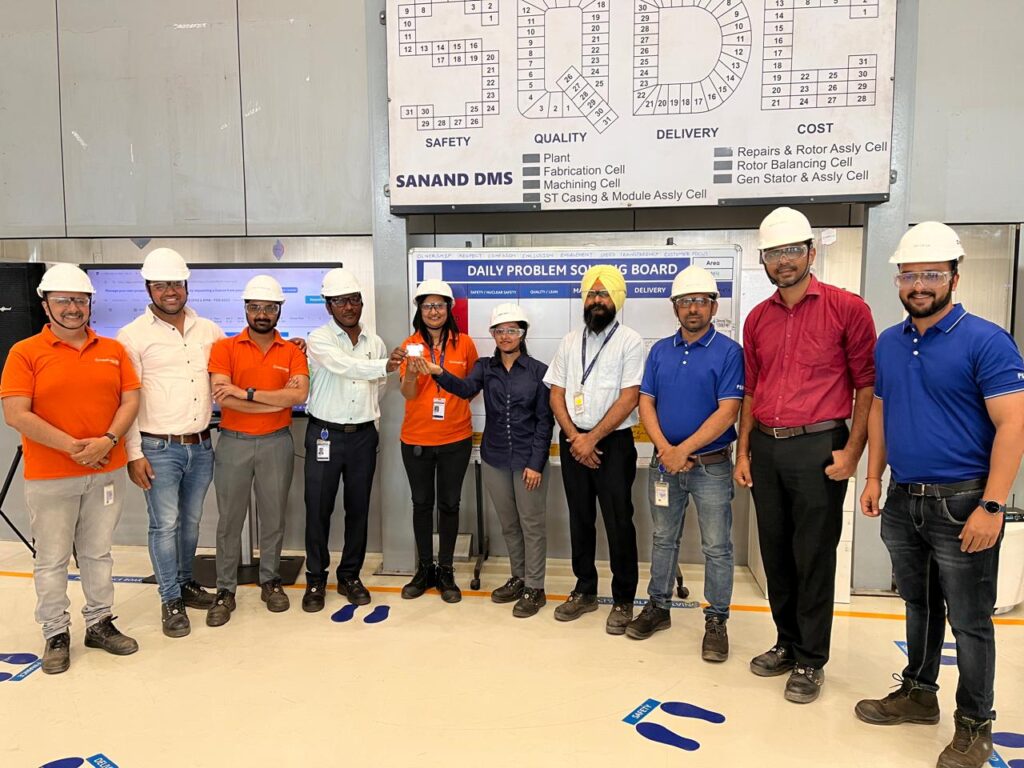
By the time of the Women’s Day celebration at Arabelle’s Sanand factory in March 2026, the numbers had risen, with women now present across different functions across the site. It is a real shift from where things stood a decade ago.
The questions she heard from society were different from what she experienced at work. Outside the factory, people asked how long she would really be able to keep doing this kind of job. They assumed manufacturing was temporary for a woman, a phase before something more conventional took over. Inside the factory, those questions were largely absent.
“The organisations I have worked through have never given me lesser challenges or lesser exposure. The opportunities were always equal. But you also need to be ready to grab them.”
What She Sees That Others Do Not Say Out Loud
When the conversation turns to women balancing careers with young children, Riddhi does not offer easy answers. She has not been through that phase herself yet, but she watches colleagues who are, and she is clear about what she sees.
“This is the phase where women need support. We do not need to talk of equality at this point. We need to talk of equity. Everyone has to lift up, to ensure that a woman’s career has equal importance, and that the family support is equally there.”
She is also honest about a pattern she observes. When care is needed in a family, for children, for elderly parents, for anyone who needs looking after, it defaults to the woman. Not because she is less capable at work. Because she is more self-giving.
“Women are more self-giving. So they let go of their careers. They take that part. And very few of them are able to come back and lift their career again.”
Manufacturing loses women at exactly the point when they have enough experience to start leading. She thinks the industry needs to take that seriously.
The Family That Makes It Possible
Riddhi’s husband, Dhruvin Shah, works in tendering in a similar industry. He understands what the job demands. So do her in-laws and parents. That understanding is not incidental to her career. It is foundational to it.
“There are days when I have customer inspections and I stay late in the office. My family understands rather than questioning, and when that is the case, you thrive.”
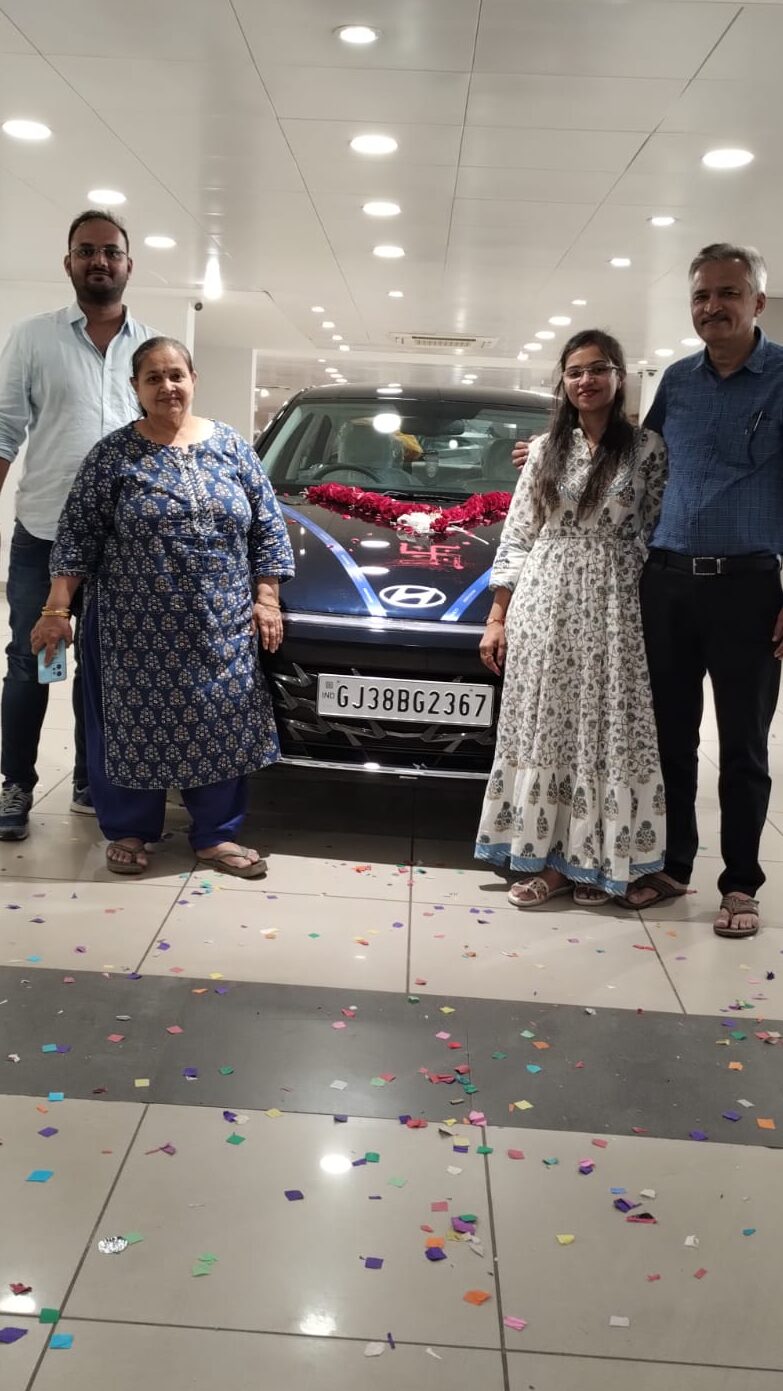
She is aware that not everyone has this. Women who manage manufacturing careers without family support do so on harder terms, and she has enormous respect for them.
“If you do not have that support, it is quite challenging mentally. The women who manage it even without support, hats off to them.”
Strong Organisations Build Strong Women
The perception that women do not belong in manufacturing is changing, she says. Not fast enough, but changing. She has seen it in the room at her own company, where women now have access to opportunities and growth across every function.
Riddhi Doshi’s journey is a story of someone who chose depth over speed, learning over shortcuts, and purpose over fear. From stepping into a factory where women were barely present, to becoming a project manager trusted with global nuclear programmes, she has built her career one intentional choice at a time.
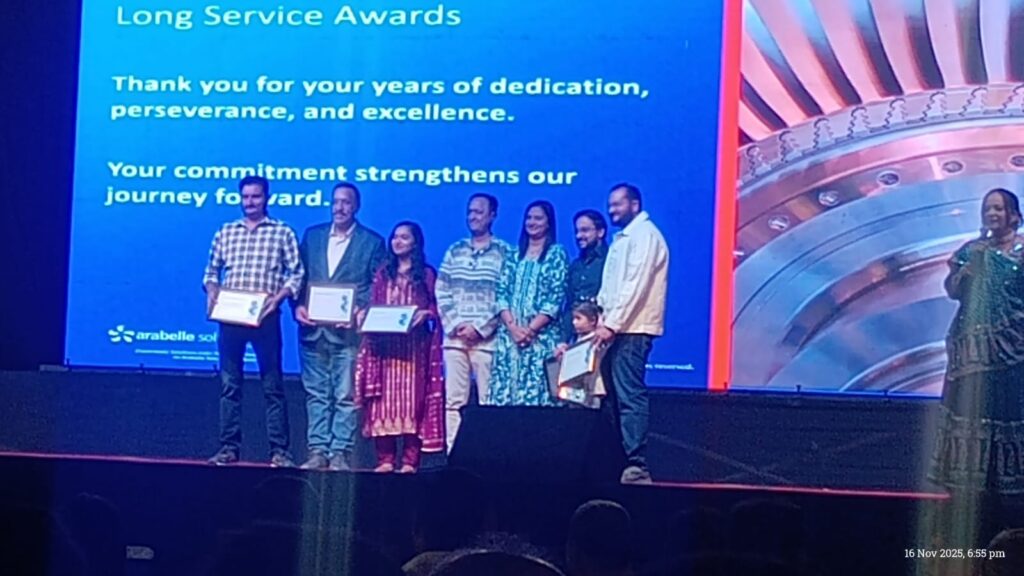
She advanced not by chance, but because she kept taking on challenges, and the company kept opening doors instead of closing them. Her story shows what becomes possible when inclusive systems give women the space to lead, make mistakes, grow, and come back stronger.
Strong organisations build strong women. And strong women build stronger organisations in return.