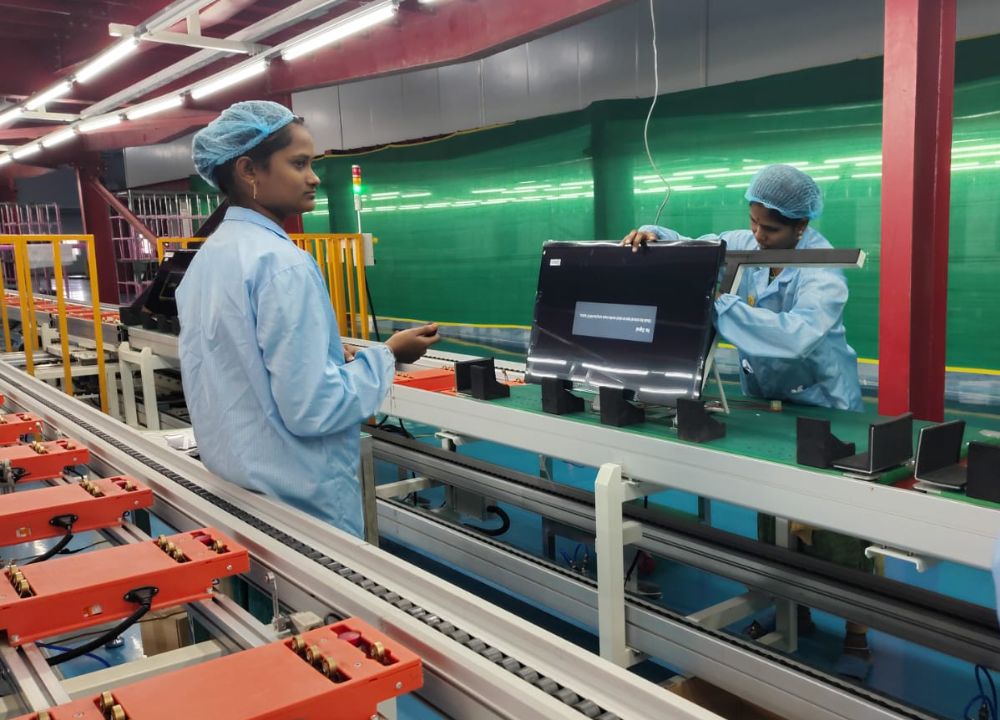
Walk into a consumer durables plant in India today, and you will notice something different. The change is not cosmetic. It is structural. What used to be a final-assembly operation dependent on imported kits is steadily becoming a manufacturing ecosystem in which core components are increasingly produced on Indian soil.
Industry bodies note that India has traditionally been highly dependent on imported components across electronics and durable categories, highlighting the need to deepen domestic production. For years, value addition in products such as air conditioners, washing machines, televisions and small appliances largely took place outside the country. While finished goods were assembled domestically, high-value elements, including PCB assemblies, compressors, motors, power modules and precision plastic components, were sourced from overseas.
That model worked when global supply chains were predictable. It became far more fragile when freight rates surged, shipments stalled, and geopolitical tensions disrupted trade flows. What followed was not just a temporary recalibration, but a deeper rethink of where value should reside.
India is expected to become the fourth-largest consumer durables market by FY27, with the market size reaching approximately ₹3 lakh crore by FY29, according to IBEF estimates. At this scale, continuing to rely heavily on imported components no longer makes strategic sense. The economics of localisation improve as volumes grow.
From Assembly Lines to Value Creation
The supply chain disruptions of recent years accelerated this transition. Manufacturers began reassessing exposure to currency volatility, long shipping cycles and concentrated supplier geographies. Localisation moved from being policy-aligned rhetoric to a business necessity.
Production-linked incentive (PLI) schemes further strengthened this shift. By linking incentives to incremental production and domestic value addition, these schemes have pushed companies to deepen their manufacturing footprint rather than restrict operations to assembly. Over time, value addition targets have increased, encouraging investment in PCBAs, plastic moulded components, sheet metal parts, wiring harnesses and power electronics modules.
The impact is visible on the shop floor. Shorter supply chains mean better coordination, faster response to demand cycles and improved cost predictability. Manufacturers have greater control over inventory and production planning. The risk buffer is stronger because critical components are closer to the point of final assembly.
Engineering a Domestic Industrial Core
Localisation at scale is not possible without supplier depth. As leading consumer durable brands raise localisation thresholds, domestic vendors are stepping into more sophisticated roles. Electronics manufacturing services providers, injection moulding specialists, tooling units and sub-assembly manufacturers are expanding capabilities and investing in better machinery and testing infrastructure.
MSMEs are central to this evolution. As per the Ministry of MSME, the sector contributes nearly 30 percent to India’s GDP and over 45 percent of exports. These enterprises form the backbone of manufacturing supply chains. As OEMs localise, MSMEs benefit from steady demand and longer-term contracts, enabling reinvestment in quality upgrades and capacity expansion.
This supplier strengthening aligns with India’s broader industrial ambition. The long-term national objective is to raise manufacturing’s share of GDP to 25 percent. Deepening component-level production in consumer durables directly supports that target by increasing domestic value capture and reducing structural trade imbalances.
Clusters are gradually emerging where vendors, assemblers and logistics networks operate in closer coordination. This proximity encourages knowledge transfer, process standardisation and technical collaboration. Over time, it creates a more resilient industrial base.
Precision, Data, and the New Factory Model
The move toward component manufacturing demands tighter tolerances and higher quality benchmarks. This is driving investment in automation and digital manufacturing systems.
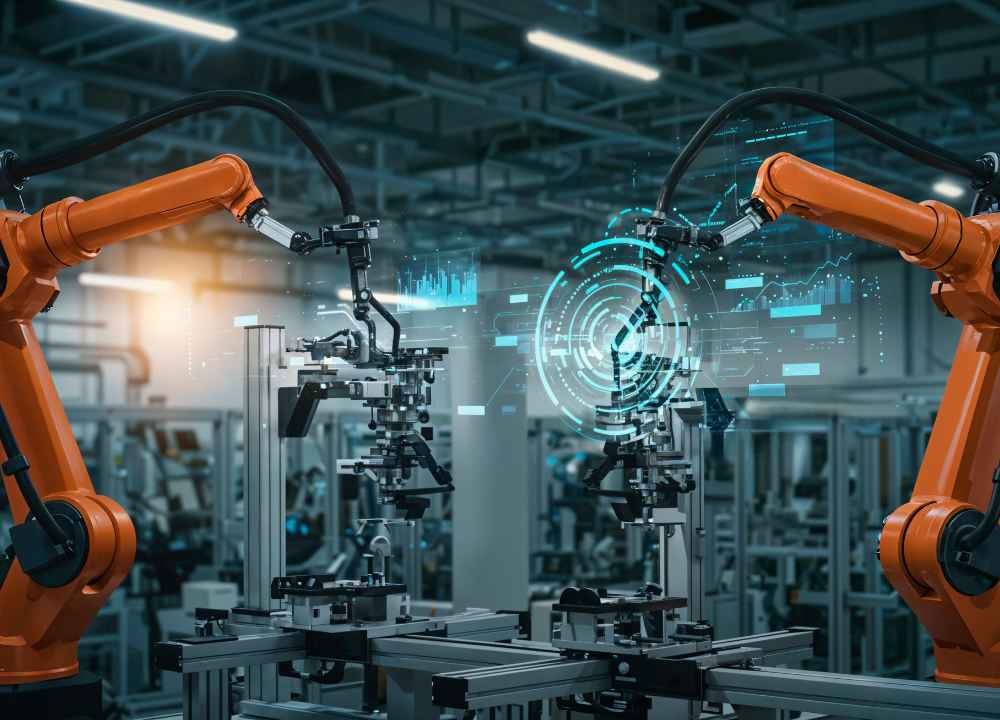
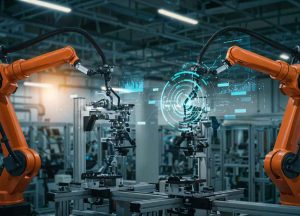
Surface-mount technology lines for PCB assembly are increasingly automated. Robotics are being deployed for repetitive tasks, and production monitoring systems now track machine health, yield rates and throughput in real time. Data analytics tools help predict maintenance requirements and reduce downtime.
AI-based quality inspection is also gaining ground. Automated optical inspection systems can identify micro-defects in PCBAs and other precision components with greater consistency than manual checks. This reduces rejection rates and strengthens product reliability in a competitive, price-sensitive market.
As capabilities improve, India’s role in global supply chains is also evolving. Electronics manufacturing in the country has crossed USD 100 billion in recent years, according to MeitY data, and exports are rising steadily. International brands are increasingly treating India not only as a demand centre but as a scalable production base serving multiple markets.
Sustaining this momentum will require continued focus on skills, R&D and engineering depth. Component-level manufacturing is more complex than assembly. It demands design capability, process expertise, and sustained capital investment. India’s consumer durables industry is no longer content with assembling what others design and manufacture. The shift toward component localisation is embedding value within the country. It strengthens supply chains, energises MSMEs and supports national manufacturing ambitions. The transition is ongoing, but its direction is clear.