

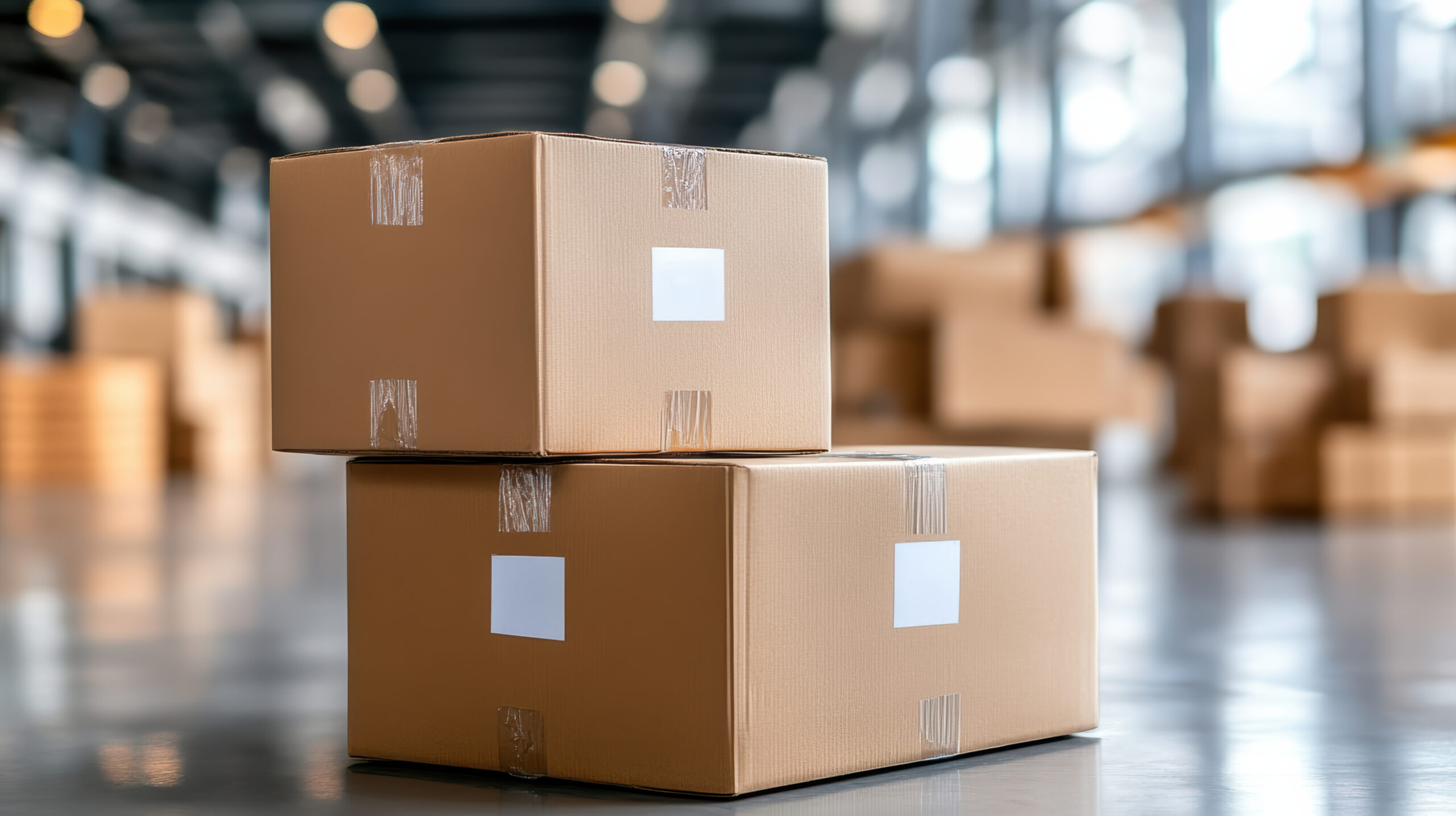
India has emerged as one of the fastest-growing packaging markets globally, expanding at a steady pace of around 9% annually to reach $92 billion by FY30.1 Demand is being driven by food processing, pharmaceuticals, personal care, and the rapid rise of e-commerce, which alone has introduced new packaging intensity per order. Per capita packaging consumption in India remains significantly lower than global averages, indicating strong headroom for growth.
Yet, the significance of this expansion lies in how packaging is being repositioned. It is no longer limited to protecting goods. It now plays a role in branding, customer experience, and, most critically, operational efficiency. As supply chains become more formalised and geographically dispersed, packaging must adapt to more complex distribution requirements.
Logistics Infrastructure Is Rewriting Packaging Rules
India’s logistics sector, currently valued at USD9B in FY25,2 is undergoing rapid transformation with large-scale investments in warehousing, industrial corridors, and multimodal connectivity. The development of Grade A warehousing alone has expanded significantly in the past few years, particularly across key consumption hubs such as Mumbai, NCR, Taloja MIDC, Navi Mumbai, Bengaluru, and Chennai.
Modern facilities are larger, more structured, and increasingly mechanised. Conveyor systems, automated sorting lines, and forklift-based handling require packaging formats that are standardised and compatible with machine-led movement. This shift has led to a move away from irregular packaging towards uniform, stackable units that can move seamlessly through different nodes of the supply chain. The objective is clear: reduce manual handling, improve throughput, and minimise transit damage. With logistics costs in India still estimated at around 7.97% of GDP,3 efficiency gains from better packaging integration are becoming a strategic priority.
While primary packaging continues to influence consumer perception, the real operational gains are being driven by secondary and tertiary packaging. These layers determine how efficiently goods are stored, transported, and delivered. Transit packaging has become a strategic consideration, especially for industries operating at scale. It directly impacts loading time, warehouse space utilisation, and damage rates during transit. Even marginal improvements in these areas can translate into significant cost savings across high-volume supply chains.
The rise of quick commerce and same-day delivery models has further intensified the need for robust transit packaging. Products are expected to move faster through the system, often within tightly compressed timelines, leaving little room for inefficiencies.
Wooden Pallets as the Backbone of Movement
At the centre of this transition is palletisation. The ability to move goods in consolidated units has transformed warehouse operations and transport efficiency. Instead of handling individual cartons, entire loads can be lifted, stacked, and transported in a single movement. Within this system, wooden pallets continue to play a defining role. India’s pallet market is expanding in line with logistics growth, supported by increased adoption across FMCG, retail, pharmaceuticals, and manufacturing sectors. A significant share of this demand continues to be met by wood, given its availability and cost advantage.
Wooden pallets, sourced from responsibly managed forests and backed by PEFC certification (PEFC/42-31-06), remain widely used due to their structural strength, adaptability across industries, and ability to handle heavy loads. They are compatible with existing warehouse infrastructure and can be easily customised for different use cases. In a country where supply chains must accommodate a wide range of product types and transport conditions, this flexibility is critical. Their relevance becomes even more pronounced in high-volume sectors. Pallets act as the base unit of movement, ensuring stability during transit and enabling efficient storage within warehouses. Without this layer, the speed and scale at which goods move across the country would be significantly constrained.
Another factor driving their continued use is lifecycle flexibility. Wooden pallets can be repaired, refurbished, and reused multiple times, extending their operational value. This has led to the emergence of organised pallet recycling and refurbishment networks, reducing overall material costs while supporting sustainability goals.
Integrated Packaging and Logistics Solutions
As interdependencies between packaging and logistics deepen, businesses are moving towards integrated solutions. The focus is shifting from sourcing individual components to designing systems that improve overall supply chain efficiency.
This includes customised transit packaging, pallet pooling, repair services, and material optimisation strategies. Providers operating in this space are aligning closely with industry requirements, offering solutions that improve handling efficiency without adding complexity to operations. The emphasis is on enabling smoother movement of goods while maintaining consistency across different stages of the supply chain. In many cases, the effectiveness of logistics infrastructure depends on how well these packaging systems are designed and implemented.
India’s packaging expansion reflects a bigger structural change in the economy. As consumption grows and supply chains become more sophisticated, the role of packaging is being redefined. The real momentum lies in the integration between packaging formats and logistics infrastructure. Warehouses, transport networks, and material handling systems are no longer independent elements. They function as a coordinated ecosystem, with packaging serving as the interface connecting them.
Wooden pallets, often overlooked in broader industry discussions, sit at the core of this system. They enable scale, support efficiency, and provide the physical foundation on which modern logistics operates. As the sector continues to expand, the competitive edge will come from how effectively companies align packaging decisions with logistics realities. In that alignment lies the true engine of India’s packaging growth.







